Sunetra Pawar Poised to Make History as Maharashtra’s First Woman Deputy Chief Minister
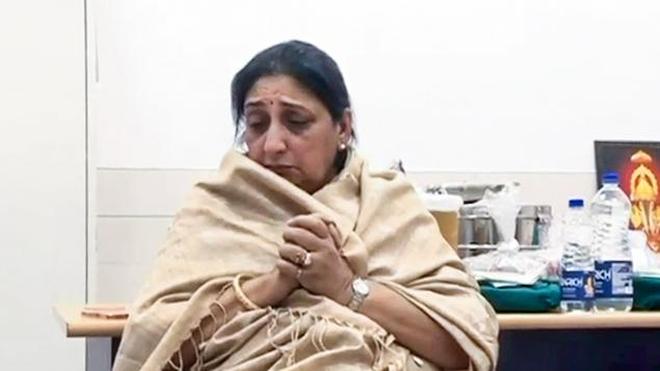
Sunetra Pawar is set to enter Maharashtra’s political history books as she prepares to assume the role of Deputy Chief Minister, becoming the first woman to hold the post in the state. Her elevation marks a significant moment in regional politics, reflecting shifting power dynamics and the growing prominence of women in leadership roles. Political observers see the development as both symbolic and strategic, strengthening her party’s outreach while reshaping Maharashtra’s governance narrative. As alliances recalibrate and responsibilities expand, Pawar’s expected appointment signals a broader transformation in the state’s political landscape ahead of key administrative and policy decisions.
A Landmark Moment in Maharashtra Politics
Sunetra Pawar’s anticipated appointment represents a milestone for gender representation in one of India’s most politically influential states. Maharashtra, long dominated by male leadership in its top executive roles, now appears ready to witness a breakthrough moment.
Her rise is being interpreted as more than a ceremonial development. Analysts suggest it reflects evolving political calculations, where experience, public connect and organizational strength are converging to redefine leadership choices.
Political Background and Strategic Timing
Pawar’s emergence in a senior executive role comes at a time when coalition dynamics and internal party equations are under close scrutiny. Her growing involvement in public engagements and political coordination over recent months has strengthened perceptions that she is being prepared for a larger administrative responsibility.
The timing also aligns with efforts by major political players to broaden their appeal across demographics, particularly women voters, who represent a decisive electoral bloc in Maharashtra. Her appointment may therefore carry both governance and electoral significance.
Expanding the Role of Women in Governance
If confirmed, Pawar’s elevation would mark a notable step in advancing women’s participation in executive decision-making at the state level. While women have held prominent legislative and ministerial portfolios in Maharashtra, the Deputy Chief Minister’s office remains one of the highest-ranking positions in the state administration.
Her expected leadership role could help shift public perceptions and inspire greater female participation in political processes. Observers note that symbolic breakthroughs often pave the way for structural change in representation over time.
Administrative Responsibilities Ahead
The Deputy Chief Minister’s office typically oversees key departments and plays a crucial role in coordinating policy execution between ministries. Pawar’s potential portfolio allocations will be closely watched, as they could indicate the administration’s priority areas in the coming term.
Her leadership style, policy focus and ability to navigate coalition politics will shape how effectively she transitions into the role. Governance experts emphasize that beyond symbolism, performance in economic management, infrastructure development and welfare delivery will define long-term impact.
Broader Political Implications
Pawar’s rise also carries implications for Maharashtra’s internal party structures. Her presence at the top tier of government may influence future leadership pathways and succession planning within her political formation.
At the same time, opposition parties are likely to frame the move within broader debates over governance, accountability and administrative outcomes. As with any high-profile appointment, public expectations will be substantial from the outset.
Looking Ahead
As Maharashtra stands on the verge of a historic political development, Sunetra Pawar’s anticipated appointment signals both continuity and change. It reinforces the state’s evolving leadership narrative while underscoring the growing role of women in shaping public policy.
Her performance in office will ultimately determine how this milestone is remembered — as a symbolic breakthrough or as the beginning of a transformative phase in Maharashtra’s governance journey.