Opposition Alleges Sovereignty Risks in Controversial US–India Trade Understanding
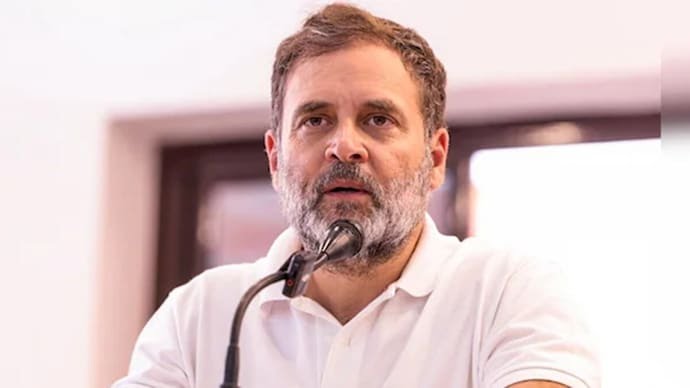
A fresh political storm has erupted after senior opposition leader Rahul Gandhi accused the Indian government of compromising national interests in a recent trade understanding with the United States. He alleged the agreement was concluded under external pressure and lacked transparency, raising concerns about economic sovereignty and policy independence. The government has rejected the claims, defending the pact as a strategic step to boost exports, attract investment and deepen global supply chain integration. The dispute has intensified debate over trade diplomacy, geopolitical alignment and the balance between economic opportunity and national self-determination in an increasingly competitive global marketplace.
Political Firestorm Over Trade Diplomacy
India’s trade engagement with the United States has come under sharp political scrutiny after allegations from opposition leaders that the agreement reflects unequal bargaining dynamics. Rahul Gandhi publicly criticized the government, asserting that the deal was shaped by foreign pressure rather than domestic economic priorities.
His remarks framed the understanding as a potential concession that could undermine India’s long-term strategic autonomy. The accusation has added a political dimension to what was initially presented as a purely economic arrangement designed to strengthen bilateral commercial ties.
Government Defends Strategic Rationale
Officials have strongly rejected the allegations, emphasizing that the trade framework aims to expand market access for Indian goods, encourage technology collaboration and improve supply chain resilience. According to policymakers, the agreement aligns with India’s broader objective of positioning itself as a key manufacturing and export hub.
Government representatives argue that modern trade negotiations inherently involve compromise but insist that national interests remain central. They describe the pact as part of a long-term strategy to deepen engagement with major global economies while accelerating domestic industrial growth.
Concerns Over Economic Sovereignty
Critics, however, have raised questions about whether the terms could expose sensitive sectors to competitive pressures before they are fully prepared. Opposition voices suggest that tariff adjustments, regulatory harmonization or procurement clauses might disproportionately favor foreign firms.
Economists note that such debates are common in large trade negotiations, where short-term sectoral disruptions can accompany broader macroeconomic gains. The political narrative, though, often centers on perceptions of fairness and the degree of transparency involved in finalizing agreements of national importance.
Geopolitics and Trade Intertwined
The controversy also reflects the evolving intersection of geopolitics and commerce. As global supply chains shift and major powers seek reliable partners, trade agreements increasingly carry strategic weight beyond pure economics. India’s growing role in technology manufacturing, digital services and pharmaceuticals makes it a crucial player in international economic alliances.
Opposition leaders argue that this strategic value should translate into stronger negotiating leverage, while the government maintains that engagement, not isolation, strengthens long-term influence.
Market and Investor Perspective
From a business standpoint, clarity and stability in trade policy are key determinants of investor confidence. Markets typically favor agreements that reduce uncertainty and expand cross-border commercial flows. However, prolonged political disputes can create short-term hesitation among investors awaiting policy continuity.
Industry groups have largely welcomed deeper economic cooperation with the United States but also called for safeguards to protect small and medium-sized enterprises during transitional phases.
Broader Implications
The debate underscores a fundamental tension in emerging economies: how to integrate more deeply into global trade networks while preserving domestic policy flexibility. Trade agreements today are no longer limited to tariffs; they often include digital rules, intellectual property standards and investment protections.
As Parliament and the public scrutinize the agreement’s details, the discourse is likely to shape future negotiations and influence how India balances openness with economic self-reliance.
Outlook
While political rhetoric has amplified the controversy, the long-term impact will depend on implementation and measurable outcomes such as export growth, job creation and industrial expansion. Trade diplomacy remains a delicate balancing act, where perception can be as influential as policy substance.
The unfolding debate illustrates how major economic decisions increasingly sit at the crossroads of politics, national identity and global competition — a reality that will continue to define India’s path in international commerce.