Centre Directs States to Play ‘Vande Mataram’ Before National Anthem at Official Events
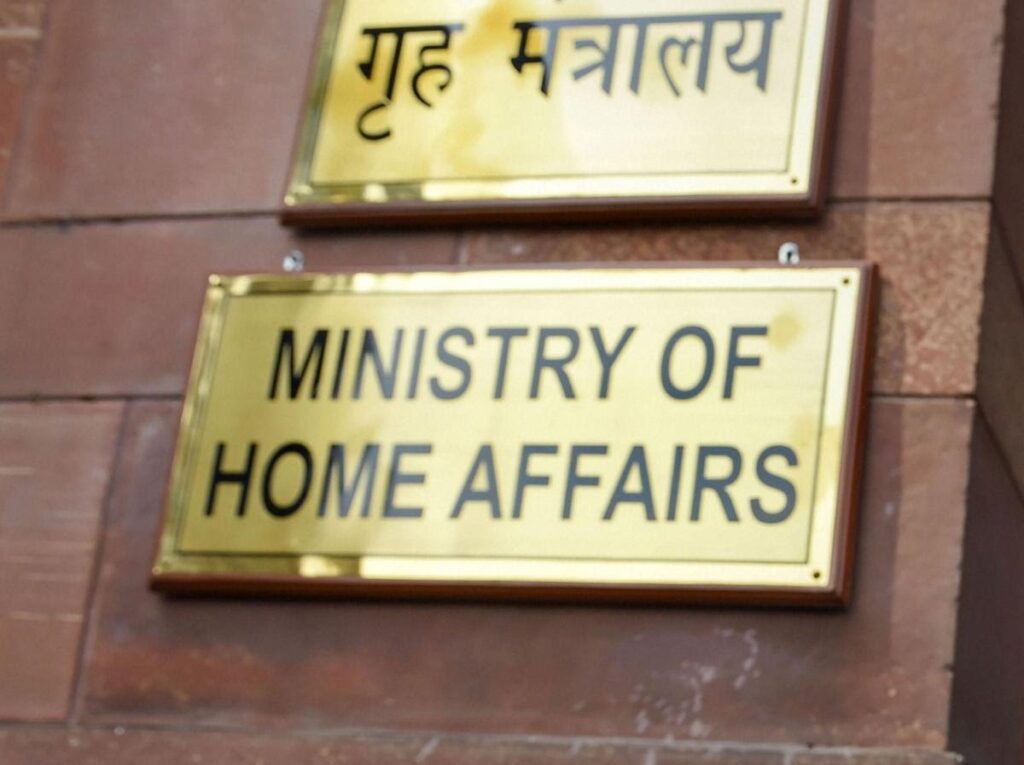
The Union government has issued fresh procedural guidelines directing States and government bodies to ensure that the national song, Vande Mataram, is sung or played before the national anthem, Jana Gana Mana, at official events where both are featured. The instructions, quietly uploaded on February 6 to the Ministry of Home Affairs’ website, clarify protocol and audience conduct during performances. The advisory specifies that attendees must stand to attention when the official 3.10-minute version of Vande Mataram is rendered. However, an exception has been made for cinematic contexts, where standing could disrupt screenings and diminish decorum.
Revised Protocol for Official Ceremonies
In a significant procedural clarification, the Union government has instructed States and various public authorities to play or sing Vande Mataram before Jana Gana Mana at events where both compositions are included. The directive, reflected in updated guidelines posted on February 6, standardizes the sequence to be followed during official functions.
While no formal press conference or public announcement accompanied the update, the instructions carry administrative weight. They aim to harmonize ceremonial practices across jurisdictions and reinforce uniformity in state-sponsored events.
Standing Requirement and Official Version
The guidelines stipulate that when the officially recognized version of Vande Mataram — approximately 3.10 minutes in duration — is performed, attendees are required to stand in attention as a mark of respect. This mirrors the established decorum associated with the national anthem.
The directive underscores the importance of dignity and order during such performances, emphasizing that ceremonial discipline is integral to maintaining the symbolic gravity of national compositions.
Exemption for Cinematic and Documentary Screenings
The advisory introduces a practical exception for instances in which Vande Mataram is played as part of a newsreel or documentary film. In such cases, the audience is not expected to stand.
The rationale is rooted in logistical and decorum-related considerations. According to the guidelines, requiring audiences to rise during film screenings may interrupt the exhibition, potentially creating confusion and disorder rather than enhancing the song’s dignity. The exemption reflects a nuanced understanding of context, distinguishing between ceremonial performance and incidental inclusion in audiovisual media.
Administrative Implications and Broader Context
Although the update was uploaded without a formal announcement, its implications extend across ministries, educational institutions, public sector undertakings, and state governments. By clarifying sequencing and conduct, the Centre appears intent on reducing ambiguity in official protocol.
From a governance standpoint, such standardization minimizes discretionary interpretation at the local level and ensures a consistent ceremonial framework nationwide. In an era where symbolic gestures often intersect with public discourse, clear procedural norms help avoid administrative inconsistencies.
Conclusion
The latest directive formalizes the order in which Vande Mataram and Jana Gana Mana are to be presented at official gatherings, reinforcing ceremonial hierarchy while outlining audience conduct. With clearly defined expectations and contextual exemptions, the government’s guidance seeks to preserve dignity, order, and uniformity in public observances involving national symbols.