NTA Declares JEE Main 2026 Session 1 Results; 12 Candidates Secure 100 Percentile
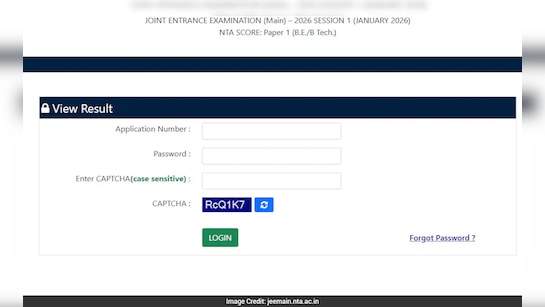
The National Testing Agency has announced the results for JEE Main 2026 Session 1 for BE/BTech (Paper 1), conducted between January 21 and January 28. Candidates can now access their scorecards using their application number and password through the official portal. This year, 12 aspirants achieved a perfect 100 percentile, underscoring intense competition among engineering hopefuls nationwide. The declaration of results marks a critical milestone in India’s highly competitive technical education admissions cycle, setting the stage for the next phase of the selection process, including eligibility for JEE Advanced and admissions to premier engineering institutions.
JEE Main 2026 Session 1 Results Announced
The National Testing Agency, commonly known as NTA, has formally released the results of JEE Main 2026 Session 1 for BE/BTech aspirants. The examination was conducted over multiple days from January 21 to January 28, reflecting the large volume of candidates participating in the national-level engineering entrance test.
Candidates who appeared for Paper 1 can now download their individual scorecards by logging into the official examination portal using their application number and password. The results include percentile scores and subject-wise performance metrics, which will play a pivotal role in determining eligibility for subsequent admission processes.
Record Performance and Competitive Benchmarks
In a year marked by heightened academic competition, 12 candidates secured a perfect 100 percentile in Session 1. Achieving a 100 percentile indicates that the candidate performed better than or equal to all other test-takers in the session, a distinction reserved for the highest scorers.
The percentile-based evaluation framework ensures normalization across multiple shifts, accounting for variations in difficulty levels. This statistical approach strengthens fairness and comparability in large-scale examinations involving diverse question sets.
Education analysts note that the growing number of high scorers each year reflects intensified preparation strategies, greater access to digital learning resources, and increased participation in structured coaching ecosystems.
Step-by-Step Guide to Download Scorecards
Candidates can access their results by following a structured login process:
Visit the official JEE Main examination portal.
Navigate to the “Candidate Activity” section on the homepage.
Click on the “JEE Main Session 1 Result Download” link.
Enter the application number and password.
View, download and securely save the scorecard for future reference.
Students are advised to retain both digital and printed copies of their scorecards, as they will be required during counseling and admission procedures.
Implications for Admissions and Next Steps
The declaration of Session 1 results initiates the next phase of the admissions cycle. Qualified candidates may now assess their eligibility for JEE Advanced, which serves as the gateway to the Indian Institutes of Technology. Additionally, JEE Main scores are utilized by National Institutes of Technology, Indian Institutes of Information Technology and other centrally funded technical institutions.
Given the scale and prestige associated with these institutions, even marginal percentile differences can influence admission outcomes. Experts recommend that candidates carefully evaluate their performance and plan strategically for Session 2, if applicable.
Broader Education Landscape Context
JEE Main remains one of India’s most competitive standardized examinations, drawing participation from lakhs of aspirants annually. Its outcome not only determines academic trajectories but also reflects broader trends in STEM education demand, demographic participation and regional representation.
The release of the 2026 Session 1 results reaffirms the examination’s central role in shaping India’s technical talent pipeline. As students transition to the next stages of evaluation and counseling, the focus now shifts toward seat allocation, merit rankings and long-term career pathways in engineering and allied disciplines.