Apple’s iPhone 17 Pro Max Emerges as the Most Traded-In Device in Secondary Markets
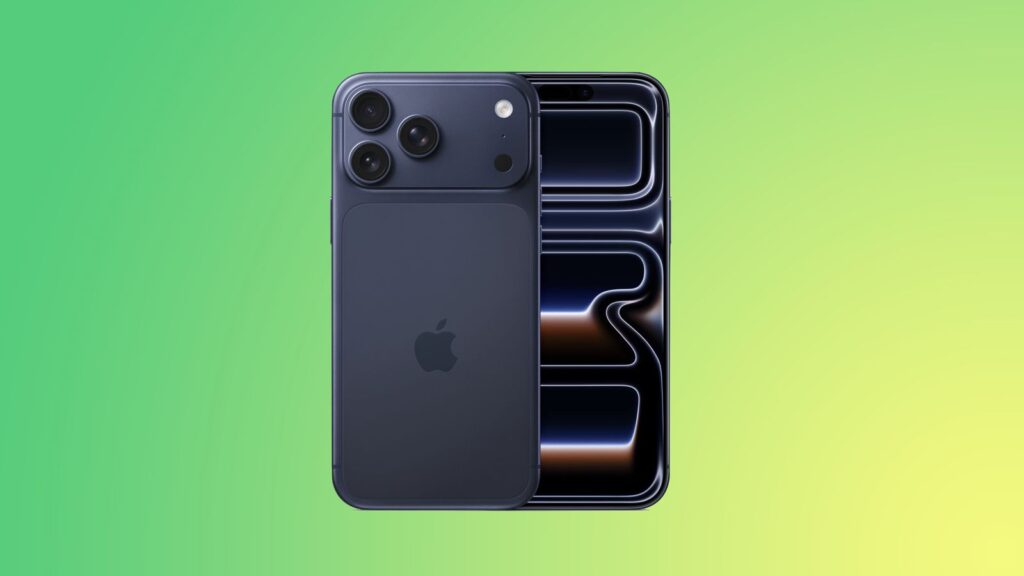
Apple’s iPhone 17 Pro Max has unexpectedly become the most traded-in smartphone across global resale platforms, signaling evolving consumer behavior in the premium handset segment. Market analysts attribute the surge in trade-ins to accelerated upgrade cycles, strong residual value retention and shifting consumer financing strategies.
Despite commanding a premium retail price, the device’s liquidity in secondary markets reflects confidence in Apple’s ecosystem stability. The trend also reveals growing participation in circular consumer electronics economies, where resale value plays a central role in purchasing decisions. The development offers insight into broader smartphone demand dynamics and capital allocation patterns in consumer technology.
The Economics of Premium Upgrades
The iPhone 17 Pro Max has rapidly gained prominence not only as a flagship product but also as a dominant presence in trade-in markets. Secondary market platforms report record volumes of the device being exchanged, indicating robust liquidity and high consumer turnover.
This pattern suggests shorter ownership cycles among premium users. Consumers who invest upwards of Rs. 1 lakh in high-end smartphones increasingly rely on trade-in programs to offset upgrade costs.
The strategy effectively reduces the net acquisition cost of newer models, strengthening Apple’s ecosystem lock-in effect.
Residual Value as a Financial Asset
Apple devices traditionally retain higher resale value compared to competitors. The iPhone 17 Pro Max continues that trend, making it attractive in secondary markets.
For consumers, predictable resale value transforms the device into a quasi-financial asset. The ability to recover a significant portion of initial expenditure influences purchasing decisions.
Strong trade-in activity also indicates stable demand in emerging markets, where pre-owned premium devices offer aspirational ownership at lower entry points.
Broader Implications for Consumer Technology
The surge in trade-ins reflects broader trends in sustainable consumption and circular economy practices. Refurbishment ecosystems reduce electronic waste while supporting affordability.
From a corporate standpoint, trade-in programs enhance brand loyalty and recurring revenue.
The iPhone 17 Pro Max’s position as the most traded-in device underscores the resilience of premium smartphone demand even amid macroeconomic pressures.