Juvenile Justice Board Observes ‘No Remorse’ in Delhi Teen Accused in Fatal Crash
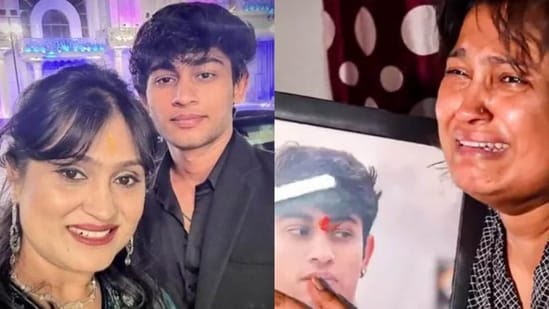
The Juvenile Justice Board in Delhi has observed that a 17-year-old accused in a fatal road accident appeared to show no remorse during proceedings related to the death of a 23-year-old motorcyclist. The incident, which occurred in Dwarka earlier this month, involved an SUV colliding with a motorcycle and taxi.
While the teen’s father expressed deep regret and apologized to the victim’s family, the Board noted concerns regarding the minor’s understanding of the gravity of his actions. The accused has been sent to an observation home for rehabilitation and counselling as legal proceedings continue.
The Incident and Legal Proceedings
Authorities allege that the 17-year-old was driving an SUV that struck a motorcycle and taxi in Delhi’s Dwarka area, resulting in the death of 23-year-old Sahil Dhaneshra.
During the Juvenile Justice Board hearing dated February 14, members assessed the minor’s demeanor and responses. The Board observed that the accused appeared to lack an understanding of the “preciousness of life” and did not display remorse.
Such observations carry weight in juvenile proceedings, where psychological evaluation and rehabilitation potential are central considerations.
Parental Apology and Emotional Context
While the accused reportedly appeared indifferent, his father expressed profound remorse during the proceedings. He offered an apology to the victim’s mother, acknowledging the irreversible loss suffered by the family.
Juvenile cases often involve complex emotional dynamics, balancing accountability with rehabilitation.
The father’s response contrasts sharply with the Board’s assessment of the teen’s disposition.
Rehabilitation and Legal Framework
The Board ordered that the minor be sent to an observation home for counselling, rehabilitation and security. Under India’s juvenile justice framework, emphasis is placed on reformative measures rather than punitive incarceration.
Authorities will continue psychological assessment to determine the appropriate course of action.
The case has renewed public discussion around road safety, parental responsibility and the evolving approach to juvenile accountability in serious offences.