Wedding Preparations Turn to Tragedy: Two Sisters Die on the Eve of Marriage in Rajasthan
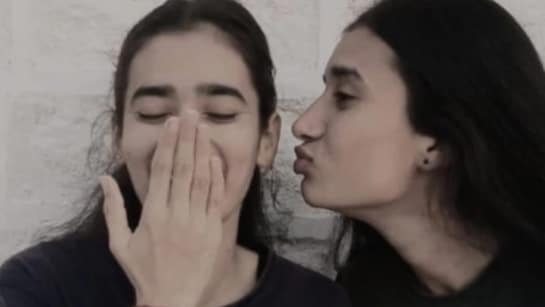
A family celebration in Manai village near Jodhpur turned into a profound tragedy when two young sisters, aged 25 and 23, were found dead on the night before their weddings. The women were scheduled to be married the following day, with preparations in full swing when the incident occurred. Authorities said both allegedly consumed a poisonous substance. The sudden loss has sent shockwaves through the local community, raising questions about mental health awareness, social pressures and the hidden emotional burdens that can accompany milestone life events in traditional settings.
A Joyous Occasion Overshadowed by Loss
In Manai village, anticipation had filled the air. Relatives had gathered, ceremonial arrangements were underway and the household was immersed in the customary rituals preceding two weddings. Shobha, 25, and Vimla, 23, were scheduled to be married on Saturday. By Friday evening, the final preparations were being completed.
Instead of wedding festivities, however, the family was confronted with devastating news. According to local officials, both sisters allegedly consumed a toxic substance late Friday night. They were declared dead shortly thereafter.
Authorities have initiated an investigation into the circumstances surrounding the incident. While preliminary findings indicate suicide, officials emphasized that inquiries are ongoing to establish a comprehensive understanding of the events leading up to the tragedy.
Community in Shock
The incident has left the village community in mourning. Weddings in rural Rajasthan are often collective affairs, involving extended families and neighbors. The simultaneous loss of two young women on the eve of their marriage has amplified the emotional toll.
Neighbors described the atmosphere as celebratory only hours before the tragedy unfolded. Decorations had been arranged, and customary songs and preparations were part of the evening’s routine. The abrupt transition from festivity to grief has been difficult for residents to comprehend.
Community leaders have urged sensitivity and restraint, calling for privacy for the bereaved family while authorities conduct their investigation.
The Broader Context: Social Expectations and Emotional Strain
While officials have not disclosed specific reasons behind the alleged act, the incident has prompted renewed reflection on the pressures often associated with marriage in traditional societies. In many parts of India, weddings represent not only personal milestones but also significant social and financial commitments.
Young women, in particular, may experience emotional strain related to expectations, family obligations and life transitions. Mental health professionals note that high-stress life events — even those culturally celebrated — can sometimes mask internal anxiety or distress.
India has made progress in expanding mental health awareness, yet access to counseling services and open discussions about psychological well-being remain uneven, particularly in rural regions. Social stigma around seeking help can further compound emotional isolation.
Experts emphasize that suicide is rarely the result of a single factor. It is often linked to complex interactions of psychological, social and situational influences. Understanding these dynamics requires careful investigation and compassionate dialogue.
Legal and Investigative Developments
Local law enforcement has registered a case and is conducting procedural inquiries. Statements from family members and witnesses are being recorded, and forensic analysis is underway. Authorities have refrained from releasing additional details, citing the sensitivity of the matter.
Officials reiterated that public speculation should be avoided until investigations conclude. Maintaining factual clarity is essential in cases involving sudden deaths, particularly when social implications may be far-reaching.
Mental Health Awareness and Preventive Measures
This tragedy underscores the continuing need for mental health outreach and preventive frameworks in both urban and rural communities. Experts advocate for integrating mental health screening into primary healthcare services and strengthening counseling access at the district level.
Community-based awareness programs, school-level education and confidential helplines can serve as early intervention mechanisms. Open conversations about emotional well-being — especially during high-pressure life events — may reduce stigma and encourage individuals to seek support.
Family members and community elders also play a critical role in recognizing behavioral changes that may signal distress. Empathy, attentive listening and professional guidance are often vital in preventing irreversible outcomes.
A Family’s Irreparable Loss
For the family in Manai village, what was meant to be a moment of celebration has become a source of immeasurable sorrow. The simultaneous passing of two daughters has left relatives grappling with grief and unanswered questions.
Funeral rites were conducted under heightened emotional strain, replacing wedding rituals that had been planned only hours earlier. The contrast between preparation and loss serves as a stark reminder of life’s fragility.
Conclusion
The deaths of Shobha and Vimla on the eve of their weddings represent a deeply tragic episode that has shaken a Rajasthan community. While investigations continue, the incident has reignited broader conversations about mental health, societal expectations and the hidden emotional burdens individuals may carry.
As India advances economically and socially, addressing mental health with the same urgency as physical health remains imperative. Behind every statistic lies a family irrevocably altered. Ensuring accessible support systems and fostering compassionate dialogue may help prevent similar tragedies in the future.
If you or someone you know is struggling emotionally, confidential support services and helplines are available across India to provide immediate assistance. Seeking help is a sign of strength, not weakness.