India to Roll Out Free Nationwide HPV Vaccination Drive for Adolescent Girls
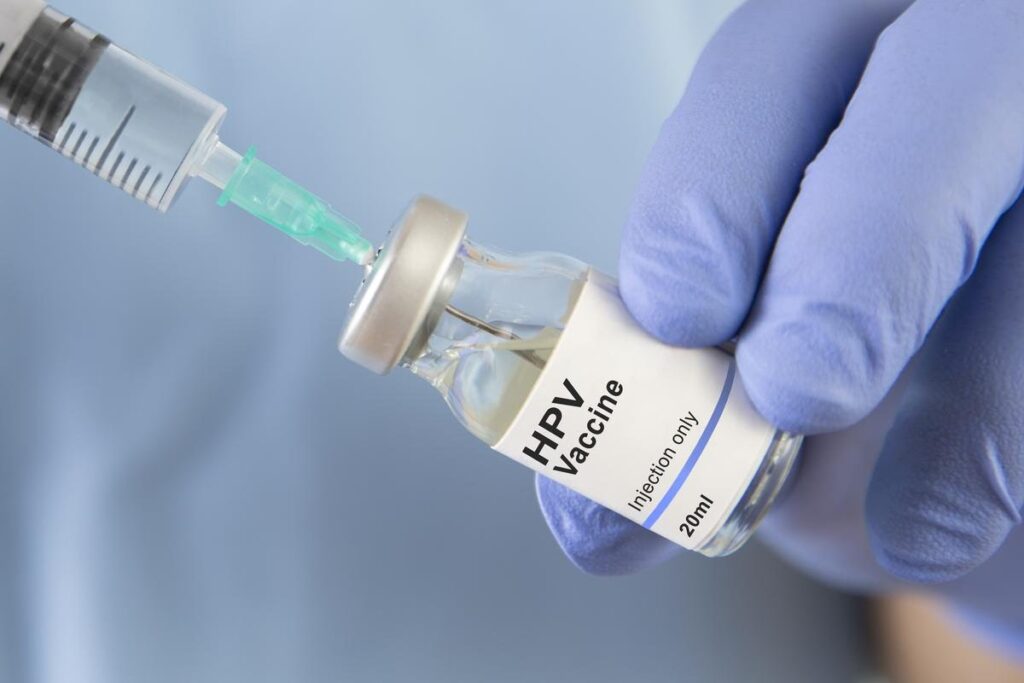
India is preparing to introduce a nationwide, government-funded Human Papillomavirus (HPV) vaccination program targeting adolescent girls, marking a significant milestone in public health policy. The initiative will utilize Gardasil, a quadrivalent vaccine designed to protect against HPV types 16 and 18 — responsible for the majority of cervical cancer cases — as well as types 6 and 11. The program aims to reduce the country’s cervical cancer burden through early immunization and expanded preventive healthcare access. Public health experts view the rollout as a strategic intervention with long-term economic and social benefits.
A Landmark Preventive Health Initiative
India is poised to implement a free, nationwide HPV vaccination campaign focused on adolescent girls, a move expected to transform the country’s approach to cervical cancer prevention. The initiative reflects growing recognition that immunization is among the most cost-effective tools in combating preventable cancers.
Cervical cancer remains one of the leading causes of cancer-related deaths among women in India. Public health authorities have increasingly emphasized early intervention strategies, particularly vaccination prior to exposure to the virus. By expanding access at no cost, the government seeks to remove financial barriers and improve immunization coverage across urban and rural populations.
Vaccine Selection and Clinical Protection
The program will deploy Gardasil, a quadrivalent HPV vaccine developed by Merck & Co.. The vaccine provides protection against HPV types 16 and 18, which account for a substantial majority of cervical cancer cases worldwide. It also covers types 6 and 11, which are commonly associated with genital warts.
Clinical evidence indicates that vaccination significantly reduces the incidence of persistent HPV infections and pre-cancerous cervical lesions. Health authorities have underscored that immunization is most effective when administered during early adolescence, prior to potential exposure to the virus.
Public Health and Economic Impact
The introduction of a free HPV vaccination program carries significant long-term economic implications. Treating advanced-stage cervical cancer involves substantial healthcare expenditure, including surgery, chemotherapy and extended hospitalization. Preventive immunization, by contrast, represents a comparatively modest upfront investment with measurable downstream savings.
Health economists argue that reducing cervical cancer incidence could ease financial pressure on public healthcare systems and improve workforce participation among women. Over time, the policy may also contribute to narrowing healthcare disparities, particularly in underserved regions where screening programs are limited.
Implementation Strategy and Challenges
Nationwide rollout of a vaccination program of this scale requires coordinated logistical planning. Cold chain management, training of healthcare workers and public awareness campaigns will be critical components of successful implementation.
Public health experts emphasize the importance of community engagement to counter misinformation and vaccine hesitancy. Clear communication regarding safety, efficacy and long-term benefits will be essential to achieving high uptake rates.
Internationally, countries that have implemented large-scale HPV immunization programs have reported significant declines in cervical pre-cancer rates within a decade. India’s adoption of a similar model suggests alignment with global best practices in preventive oncology.
Broader Healthcare Policy Context
The HPV vaccination initiative aligns with India’s broader strategy to strengthen preventive healthcare and reduce non-communicable disease burdens. By integrating vaccination into adolescent health services, policymakers aim to institutionalize cancer prevention within primary healthcare frameworks.
The move also reinforces India’s commitment to expanding equitable access to essential medicines and vaccines. Over time, the success of this program could inform additional large-scale immunization campaigns targeting other preventable diseases.
Conclusion
India’s decision to offer free HPV vaccination nationwide represents a pivotal shift toward proactive cancer prevention. By targeting adolescent girls with evidence-based immunization, the country is investing in long-term health security and economic resilience.
While operational challenges remain, the policy’s potential to dramatically reduce cervical cancer incidence positions it as one of the most consequential public health interventions in recent years. If effectively implemented, the initiative could reshape the preventive healthcare landscape and deliver enduring social dividends for generations to come.