Mixed Legal Outcomes for Delhi Pollution Protesters Highlight Judicial Complexity
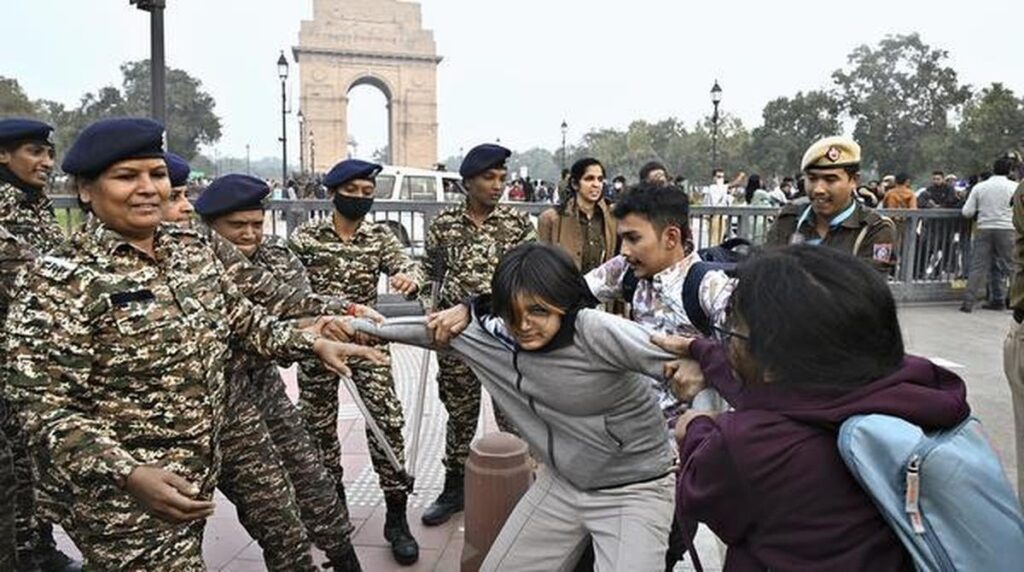
A group of protesters demonstrating against rising pollution levels in Delhi faced contrasting legal decisions on Thursday, reflecting the complexities of public-order cases in the capital. While a local court granted them bail in one FIR linked to unlawful assembly, the same group was remanded to judicial custody in a separate case involving allegations of obstructing public officials. The divergent rulings underscore the intricate balance between constitutional rights, civic activism, and law enforcement responsibilities in India’s fast-evolving urban environment. As pollution concerns intensify, the legal treatment of environmental protests is emerging as a focal point in public discourse.
Bail Granted in First Case
A Delhi court granted bail to several activists who participated in a protest calling for stronger action against escalating pollution levels in the capital. The bail order was issued in relation to an FIR that accused the protesters of unlawful assembly and breaching public-order regulations.
The court observed that the allegations in this case did not warrant continued detention, noting that the accused individuals had no serious criminal background and were cooperating with the investigation. The decision was welcomed by civil society groups who argued that peaceful advocacy for environmental issues should not attract harsh penal measures.
Judicial Custody in Second Case
In a parallel development, the same protesters were remanded to judicial custody in a separate FIR that contained more stringent accusations, including obstructing government officials during the demonstration. Authorities alleged that a section of the crowd interfered with traffic movement and impeded municipal personnel deployed at the site.
The court held that the charges in this second FIR required further examination and that custodial detention was necessary at the current stage of the investigation. The protesters were sent to jail for the duration mandated under the judicial custody order, pending further hearings.
Legal Nuances Behind the Contrasting Orders
The differing outcomes stem from the distinct nature of the allegations in each FIR. Indian criminal procedure allows courts to evaluate every case independently, considering factors such as the gravity of the offence, potential risk to public order, and cooperation of the accused with investigators.
Legal analysts note that bail in one case does not automatically extend to others, especially when separate complaints contain more serious charges. This dual outcome reflects the layered approach adopted by courts when protests intersect with accusations of public obstruction or interference with official duties.
Activism Amid Delhi’s Pollution Crisis
The protest emerged during one of Delhi’s most severe pollution phases, marked by deteriorating air quality and public demand for stronger interventions. Environmental groups maintain that peaceful protests are essential for pushing policymakers toward decisive action.
The legal proceedings have sparked fresh debate on the rights of citizens to raise environmental concerns without fear of excessive punitive action. At the same time, authorities emphasize the need to maintain public order and ensure that essential services are not disrupted.
What Comes Next
The protesters are expected to seek relief in the second case through legal remedies available under criminal law, including applications for bail and challenges to the custodial order. Further hearings will determine whether the allegations hold enough weight for continued detention or formal charges.
As the city grapples with persistent pollution, the incident highlights the delicate balance between civic activism and law enforcement. The outcome of this case may shape how future environmental demonstrations are managed across the capital.