Breathing Crisis in the Capital: Delhi Activates GRAP-III as Air Quality Slips into ‘Severe’ Zone
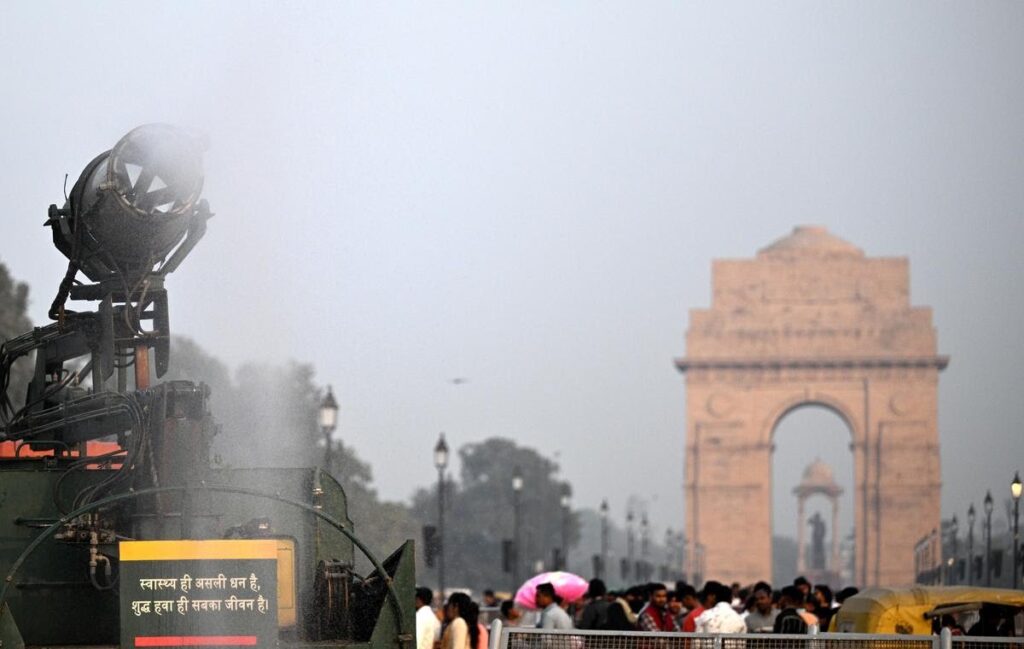
Delhi has once again entered a phase of acute environmental stress as air quality deteriorated sharply, prompting authorities to enforce Stage III of the Graded Response Action Plan (GRAP). With pollution levels reaching the ‘severe’ category, emergency curbs have been reintroduced to limit emissions from construction, transport, and industrial activity. The move reflects growing concern over public health risks, particularly for children, the elderly, and those with respiratory conditions. As winter conditions trap pollutants over the National Capital Region, officials are relying on GRAP-III to slow the surge while urging citizens to reduce exposure and cooperate with restrictions.
Air Quality Declines to Critical Levels
Delhi’s air quality plunged into the ‘severe’ bracket following a sustained rise in particulate matter, driven by a mix of vehicular emissions, construction dust, industrial output, and unfavorable meteorological conditions. Low wind speed and a shallow mixing layer have prevented pollutants from dispersing, allowing toxic particles to accumulate over the city. Monitoring stations across multiple zones reported readings far above safe limits, raising alarms among health experts and environmental regulators.
What GRAP-III Enforcement Means
The implementation of GRAP-III marks a shift from preventive to emergency response. Under this stage, authorities suspend non-essential construction and demolition activities, intensify restrictions on polluting industrial units, and impose tighter controls on diesel generator use. Traffic management measures are also strengthened to reduce congestion-related emissions. These steps are designed to deliver immediate relief, even if temporary, during periods of extreme air pollution.
Health Risks Take Center Stage
Medical professionals warn that prolonged exposure to severe air pollution significantly increases the risk of respiratory infections, cardiovascular stress, and aggravated asthma. Hospitals in the capital often see a spike in pollution-related admissions during such episodes. Vulnerable populations are advised to remain indoors, limit physical exertion, and use protective measures when outdoor exposure is unavoidable.
Policy Pressure and Long-Term Questions
While GRAP-III offers short-term containment, environmental analysts argue that Delhi’s recurring pollution crises underscore deeper structural challenges. Dependence on emergency measures highlights gaps in sustainable urban planning, clean transport adoption, and regional coordination. Without consistent enforcement and long-term investment in cleaner technologies, the capital risks remaining trapped in a cycle of seasonal environmental emergencies.
The Road Ahead
Authorities continue to monitor pollution trends closely, signaling that stricter measures could follow if conditions worsen. For now, GRAP-III stands as a reminder that Delhi’s air quality crisis is not episodic but systemic—demanding sustained policy resolve, public cooperation, and economic choices that prioritize health alongside growth.