Delhi Air Quality Remains ‘Very Poor’ as Dense Fog Disrupts IGI Airport Operations
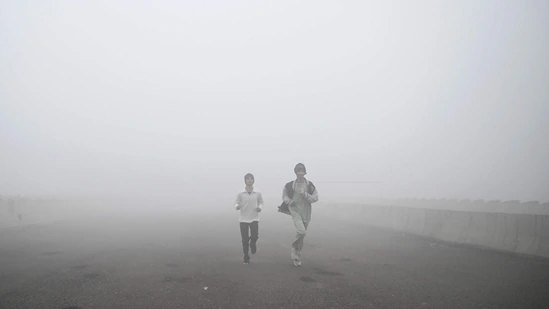
Delhi continues to grapple with severely deteriorated air quality, with the Air Quality Index (AQI) consistently registering in the ‘very poor’ category. Dense fog over the National Capital has compounded public health concerns, reducing visibility and disrupting daily routines. Indira Gandhi International (IGI) Airport experienced delays affecting over 150 flights, highlighting the wide-ranging impact of the atmospheric conditions. Environmental experts point to a combination of vehicular emissions, industrial pollution, and seasonal factors as driving the crisis. Authorities have urged residents to exercise caution, particularly vulnerable groups, while mitigation measures remain limited amid ongoing urban pollution challenges.
Persistent Air Quality Challenges
Delhi’s air quality has remained critically unhealthy, with AQI readings consistently above 300 in multiple monitoring stations. Such levels pose significant health risks, particularly for children, the elderly, and individuals with respiratory conditions. The combination of vehicular emissions, industrial activity, and biomass burning in surrounding regions has exacerbated particulate matter concentrations, while meteorological conditions like calm winds and temperature inversion trap pollutants close to the surface.
Dense Fog Compounds Disruption
The city’s persistent fog has further complicated the situation, reducing visibility across major highways and transport corridors. The limited visibility has affected daily commuting and heightened risks of traffic accidents. Emergency services and public authorities have urged motorists to exercise extreme caution and avoid non-essential travel where possible.
Impact on Air Travel
The adverse weather and poor air quality have disrupted operations at IGI Airport, where over 150 flights faced delays. Airlines and airport authorities cited low visibility and safety concerns as primary reasons for scheduling adjustments. Passengers experienced extended waiting periods, while logistical operations within the airport faced additional strain, reflecting the cascading effects of environmental crises on urban infrastructure.
Public Health Advisory
Authorities have emphasized protective measures for residents, including minimizing outdoor exposure, using air purifiers indoors, and wearing appropriate masks when venturing outside. Hospitals have reported a noticeable increase in respiratory complaints, underscoring the urgent need for sustained pollution mitigation. Experts continue to stress long-term structural reforms, such as stricter emission controls and improved urban planning, to address recurring environmental hazards.
Outlook and Mitigation Efforts
While meteorological forecasts suggest gradual improvement in visibility over the coming days, air quality is expected to remain in the ‘poor’ to ‘very poor’ category without decisive intervention. The situation underscores the vulnerability of megacities like Delhi to seasonal pollution spikes and extreme weather phenomena, emphasizing the need for integrated strategies combining public awareness, regulatory enforcement, and infrastructural adaptation.