Shaheedi Sabha at Fatehgarh Sahib: The Enduring Moral Core of Sikh Collective Memory
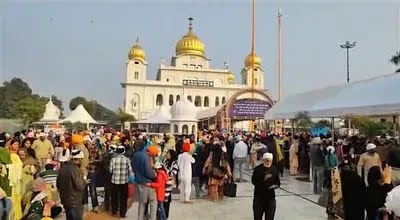
The three-day Shaheedi Sabha at Fatehgarh Sahib stands among the most profound annual observances in Sikh history, commemorating the supreme sacrifices made by the younger sons of Guru Gobind Singh and their grandmother, Mata Gujri. Held every December, the event draws hundreds of thousands of devotees who gather to reflect on courage, faith, and moral resistance in the face of tyranny. Beyond ritual remembrance, the Sabha functions as a living forum for spiritual discourse, historical reflection, and social unity, reinforcing Sikh values of justice, resilience, and unwavering commitment to righteousness.
A Sacred Site Anchored in Sacrifice
Fatehgarh Sahib occupies a singular place in Sikh consciousness. It was here that Sahibzada Zorawar Singh and Sahibzada Fateh Singh, aged nine and seven respectively, were executed for refusing to abandon their faith. Their martyrdom, sanctioned by the Mughal administration of the time, represents one of history’s most harrowing examples of moral defiance by children. Mata Gujri, who endured imprisonment and passed away soon after, completes the tragic triad remembered during the Shaheedi Sabha.
This convergence of youth, sacrifice, and spiritual conviction gives the site a resonance that transcends conventional historical remembrance.
Why the Shaheedi Sabha Spans Three Days
The three-day format of the Shaheedi Sabha is not ceremonial excess but deliberate continuity. Each day is dedicated to kirtan, katha, and scholarly discourse that revisits Sikh history, philosophy, and ethics. Eminent religious scholars and Sikh leaders contextualize the sacrifices within contemporary moral challenges, ensuring that the event remains intellectually and spiritually relevant.
The extended duration allows pilgrims from across India and abroad to participate, fostering a collective experience rather than a fleeting commemoration.
A Living Institution of Sikh Values
Unlike static memorials, the Shaheedi Sabha functions as a living institution. It reinforces the Sikh principles of standing against injustice, preserving dignity under oppression, and prioritizing truth over personal safety. Langars operating around the clock embody economic equality and community service, while the absence of social hierarchy among devotees reflects the egalitarian foundations of Sikhism. In this sense, the Sabha is as much about present conduct as it is about past sacrifice.
Contemporary Relevance and Collective Identity
In modern times, the Shaheedi Sabha has assumed added significance. It serves as a counterbalance to historical amnesia, reminding younger generations of the ethical costs embedded in freedom of belief. The gathering also strengthens Sikh collective identity at a time when cultural homogenization and historical distortion pose subtle challenges.
By reconnecting faith with historical accountability, the Sabha sustains a moral economy rooted not in material wealth, but in sacrifice and integrity.
Conclusion
The three-day Shaheedi Sabha at Fatehgarh Sahib endures as one of the most significant Sikh commemorations because it fuses history, spirituality, and ethical reflection into a single collective act. It is not merely a remembrance of martyrdom, but a reaffirmation of values that continue to guide Sikh thought and action centuries later.