Javed Akhtar Denounces Fabricated AI Video, Warns of Growing Digital Misinformation
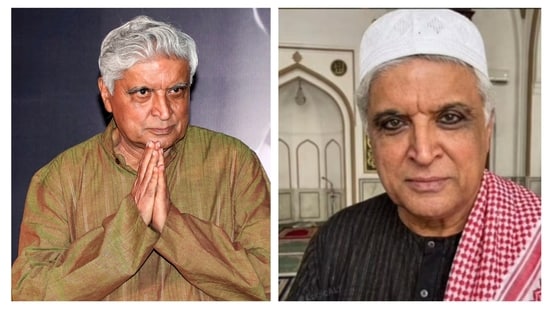
Veteran lyricist and public intellectual Javed Akhtar has strongly condemned a fabricated AI-generated video falsely claiming that he has “turned to god,” calling the content outright rubbish. His reaction follows a series of similar incidents involving public figures, highlighting the accelerating misuse of artificial intelligence to spread misinformation. Akhtar’s remarks underscore serious concerns about identity manipulation, reputational harm, and the absence of effective safeguards against deepfake content. The controversy has reignited debate around ethical AI use, digital accountability, and the urgent need for legal and regulatory frameworks to address the misuse of emerging technologies.
Akhtar Responds to AI-Generated Misinformation
Javed Akhtar expressed clear outrage after a manipulated video circulated online, falsely attributing statements and beliefs to him. Dismissing the clip as baseless and misleading, he cautioned audiences against accepting digitally altered content at face value. Akhtar emphasized that such fabrications are not harmless pranks but deliberate distortions that can mislead the public and damage personal credibility.
His response reflects a growing frustration among public figures who increasingly find themselves targeted by sophisticated digital forgeries.
A Broader Pattern of Deepfake Abuse
The incident comes amid a wider surge in AI-generated misinformation involving prominent personalities from politics, cinema, and public life. Advances in generative AI have made it easier to create convincing audio and video content that mimics real individuals, blurring the line between reality and fabrication.
Experts warn that as these tools become more accessible, the risk of misinformation multiplying across social platforms rises sharply, posing challenges not only to individuals but also to democratic discourse and social trust.
Ethical and Legal Concerns Take Center Stage
Akhtar’s remarks have amplified calls for stronger accountability mechanisms governing artificial intelligence. Legal analysts note that existing laws often lag behind technological advancements, leaving victims of deepfakes with limited recourse. The absence of clear deterrents has emboldened misuse, particularly when content spreads rapidly before corrections can catch up.
There is increasing consensus that technology platforms, regulators, and policymakers must collaborate to define ethical boundaries and enforce stricter penalties for malicious AI use.
Impact on Public Trust and Reputation
Beyond individual reputational damage, fabricated AI content threatens public confidence in authentic communication. When audiences struggle to distinguish fact from fabrication, even legitimate statements risk being questioned, weakening the credibility of public discourse.
Akhtar’s firm rejection of the video serves as a reminder that vigilance and media literacy are becoming essential skills in the digital age.
The Road Ahead for AI Governance
As artificial intelligence continues to evolve, the challenge lies in balancing innovation with responsibility. Industry observers argue that transparent labeling of AI-generated content, robust verification tools, and updated legislation are critical to curbing abuse.
The controversy surrounding the fake video underscores a defining issue of the modern information economy: technology’s power to inform must not outpace society’s ability to regulate and safeguard truth.