A Symbolic Gesture That Echoed Beyond the Stage: Talha Anjum’s Tricolour Moment in Kathmandu
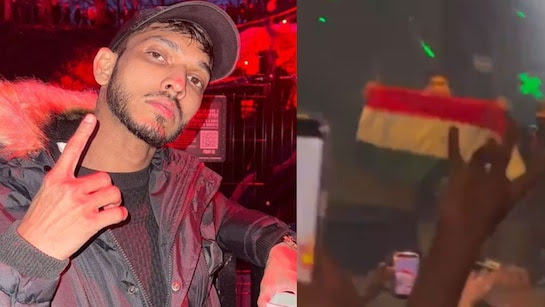
At a recent concert in Kathmandu, Pakistani rapper Talha Anjum sparked widespread conversation after wrapping himself in the Indian tricolour during his performance—an act that quickly reverberated across social media in both countries. The gesture, delivered with a bold statement that he “would do it again,” underscored the growing cultural influence of cross-border artists and the powerful role of music in bridging political divides. While reactions ranged from admiration to criticism, Anjum’s move highlighted a broader narrative: the voice of youth-led artistic expression often transcends geopolitical boundaries, challenging audiences to rethink long-held perceptions and embrace a shared cultural space.
A Gesture That Captured International Attention
Talha Anjum, one of Pakistan’s most recognised contemporary rap artists, created an unexpected moment during his Kathmandu concert by draping himself in the Indian national flag. The act unfolded before a packed audience, many of whom recorded the moment in real time, prompting instant discussion across borders.
For an artist whose music often traverses themes beyond conventional genre boundaries, the choice carried unmistakable symbolic weight. In a region where political tensions frequently overshadow cultural exchange, Anjum’s gesture demonstrated a deliberate attempt to convey unity, defiance, or perhaps an artistic message meant to stand apart from prevailing narratives.
Public Reaction: Applause, Debate, and Digital Noise
The response from audiences was swift and polarised. A considerable section of fans—spanning India, Pakistan, and Nepal—described the moment as courageous and refreshing, applauding the rapper for prioritising art and humanity over national divides.
On the other hand, critics accused him of courting controversy, arguing that artists should remain mindful of the sensitivities attached to national symbols. Some online commentators framed the act as reckless, while others viewed it as a necessary provocation in an era where cultural diplomacy is often overshadowed by political hostility.
Anjum’s follow-up remark—declaring that he would willingly repeat the act—further amplified the debate, positioning him firmly as an artist unafraid of navigating contentious territory.
The Cultural Undercurrent: Music as a Bridge, Not a Barrier
South Asia’s music ecosystem has long been intertwined, with audiences on both sides of the India–Pakistan border consuming each other’s pop culture despite political disruptions. From film soundtracks to independent rap, cross-border influences remain strong, especially among younger listeners.
Anjum’s action, whether interpreted as personal expression or a pointed statement, fits within this broader cultural continuum. For years, artists have served as informal ambassadors of goodwill, with creative work circulating more freely than diplomatic rhetoric. In this context, the Kathmandu incident reflects a growing sentiment among regional youth: that music can challenge fear, normalise dialogue, and subvert entrenched divides.
Artistic Autonomy and Market Realities
From a business perspective, Anjum’s rising prominence across South Asia makes his decisions increasingly significant. Independent musicians today operate in a digital-first environment where streaming numbers, international tours, and cross-border fan communities shape their market value.
By embracing a symbol associated with a neighbouring country, Anjum may be signalling his intent to position himself as a truly regional artist rather than a geography-bound performer. Such bold moves often carry calculated risk, but they also elevate an artist’s brand by reinforcing authenticity, individuality, and unwavering artistic conviction.
Conclusion: A Moment That Will Be Remembered
Talha Anjum’s tricolour moment in Kathmandu is likely to remain a defining highlight of his career—not for shock value, but for the conversation it has ignited. It exemplifies how modern artists continue to reshape the cultural landscape, often challenging borders more effectively than political discourse can.
Whether one applauds or critiques the gesture, its impact is undeniable: it stands as a reminder of the enduring power of art to provoke thought, dismantle barriers, and illuminate the shared humanity that binds listeners across nations.