IndiGo’s Massive Flight Disruptions Expose Deep Operational Strain as Airline Targets December 10 for Stability
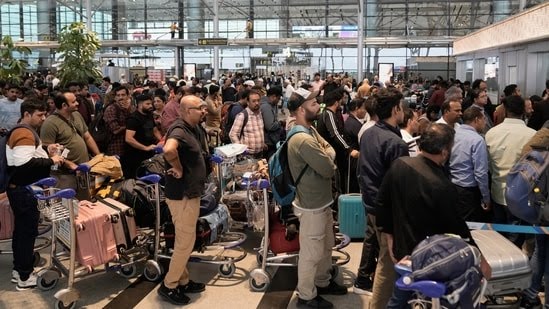
India’s largest airline, IndiGo, faced one of the most turbulent operational breakdowns in its recent history after cancelling nearly 650 flights in a single day. The abrupt disruption, attributed to a confluence of crew-rostering gaps, regulatory changes, and network congestion, left thousands of passengers stranded nationwide. While the airline insists the cancellations are part of a strategic “network reset” to restore long-term reliability, the severity of the crisis has raised questions about the carrier’s preparedness and industry-wide capacity challenges. IndiGo now aims to stabilise operations by December 10, marking a crucial test of its ability to regain passenger trust and operational coherence.
Severe Cancellations Trigger Nationwide Disruption
IndiGo’s decision to cancel 650 flights in one day sent shockwaves through the aviation sector, creating widespread distress across India’s busiest airports. Long queues, congested terminals, and anxious travellers became an all-too-familiar sight as passengers scrambled for alternative arrangements. Major hubs such as Delhi, Mumbai, Bengaluru, and Hyderabad bore the brunt of the cancellations, resulting in missed connections, last-minute ticket surges, and logistical chaos for both business and leisure travellers.
The airline, which operates over half of India’s domestic aviation capacity, announced that the cancellations were part of a deliberate operational reset. However, the sheer scale of the disruption highlighted how deeply the problems had permeated its scheduling and crew-planning structure.
New Pilot Duty Rules Add Unexpected Pressure
A significant catalyst behind the crisis was the implementation of revised Flight Duty Time Limitations (FDTL) norms—frameworks designed to strengthen pilot fatigue management and enhance aviation safety. The updated rules mandated longer rest periods and stricter duty-hour ceilings, particularly for red-eye flights and consecutive landings.
IndiGo reportedly underestimated the impact of these measures, resulting in a critical shortage of immediately deployable flight crew. With a dense network and aggressive flight rotations, the airline’s staffing reserves fell short of what was required under the new system. This shortfall collided with peak-season demand, exposing structural gaps in workforce planning.
Compounding the issue were technical disruptions in crew management systems and the seasonal congestion that typically impacts winter operations across multiple Indian airports.
Network Reset, Refund Measures, and Path to Stability
In an attempt to regain control, IndiGo launched a comprehensive “network reboot.” This included recalibrating flight schedules, reassigning standby crews, streamlining ground operations, and temporarily reducing frequency on certain routes.
The airline stated that more than 95 percent of its network connectivity has now been restored, with plans to operate over 1,500 flights as part of its recovery phase. IndiGo has waived cancellation and rescheduling fees for passengers booked between December 5 and December 15, offering refunds or alternate travel options to mitigate the inconvenience faced by travellers.
Regulators, meanwhile, have initiated a detailed inquiry into the sequence of events, examining whether the airline adhered to rostering protocols, fatigue norms, and forward-planning requirements essential for maintaining safety and reliability.
Market Implications and Structural Weaknesses
IndiGo’s dominance in the domestic aviation sector—once considered a strength—became a vulnerability during the crisis. With few carriers capable of absorbing sudden increases in passenger load, the ripple effect was felt across the broader market. Ticket prices briefly surged, alternative flights sold out rapidly, and airport operations were strained by unexpected influxes of rebookings and walk-in customers.
The incident also raised larger questions about strategic planning in India’s aviation industry. Lean staffing models, aggressive fleet utilisation, and minimal buffer capacity may offer short-term efficiencies but leave airlines exposed during regulatory transitions or unexpected disruptions. Analysts note that the industry may need to revisit crew-hiring norms, resilience planning, and fatigue-management practices to prevent similar breakdowns.
What to Expect as December 10 Approaches
IndiGo expects its operations to stabilise by December 10, marking a key milestone in its recovery timeline. Over the coming days, observers will closely monitor whether the airline can sustain its restored connectivity without further cancellations or schedule compression.
Key points to watch include:
- Consistency of daily flight operations under the revised crew-rostering framework
- Regulatory findings and potential directives emerging from the ongoing probe
- Customer sentiment, especially among frequent and corporate travellers
- Revisions to staffing and operational policies, which could shape long-term industry norms
As IndiGo works toward restoring full operational confidence, the episode stands as a reminder that even market leaders must continually adapt to regulatory, seasonal, and technological complexities. The coming week will be crucial in determining whether the airline can fully regain its footing and reassure passengers that its network is not only expansive—but resilient.