PNB Flags Rs. 2,434 Crore Loan Fraud Linked to Srei Group, Exposes Lapses in Credit Oversight
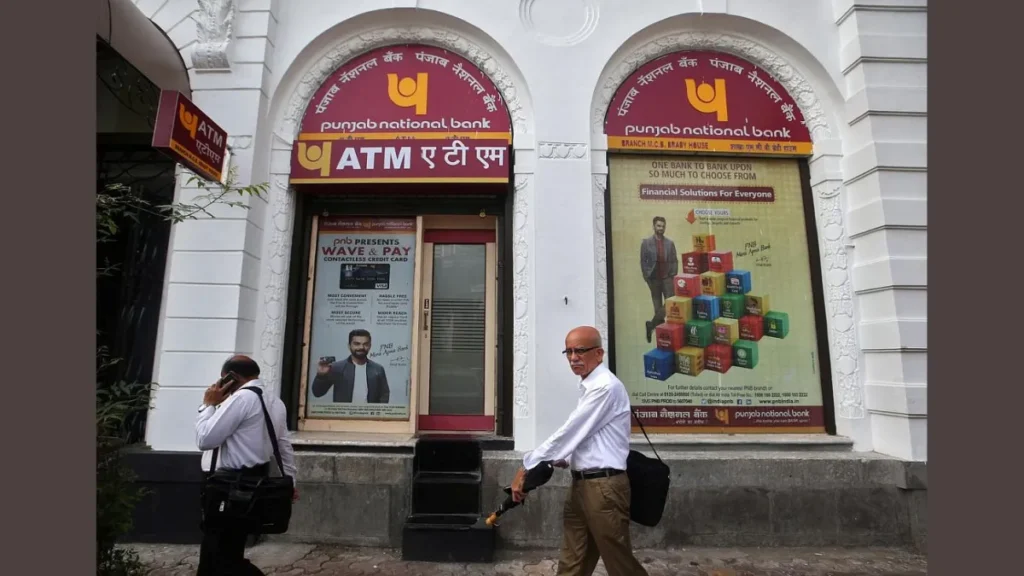
Punjab National Bank has reported a Rs. 2,434 crore loan fraud involving companies associated with the Srei Group, bringing renewed attention to governance failures in India’s corporate lending ecosystem. The disclosure, made to investigative agencies, follows a forensic review that pointed to fund diversion and misuse of sanctioned credit facilities. The case underscores the persistent risks faced by public sector banks from complex corporate structures and weak internal controls. As regulators and enforcement bodies intensify scrutiny, the episode raises broader questions about accountability, risk assessment, and the effectiveness of post-sanction monitoring in large-ticket infrastructure and finance-related lending.
Fraud Disclosure and Regulatory Action
Punjab National Bank, India’s second-largest state-run lender by assets, has formally classified loan exposures worth Rs. 2,434 crore as fraudulent in relation to entities linked to the Srei Group. The bank has escalated the matter to law enforcement and regulatory authorities, triggering criminal investigation procedures under existing banking and financial fraud frameworks.
Such classification is not merely procedural. Once an account is tagged as fraud, banks are mandated to initiate recovery proceedings, freeze further credit access to the borrower group, and pursue legal remedies, including attachment of assets where permissible.
Nature of the Irregularities
According to internal assessments, the alleged fraud stems from diversion of funds, misuse of loan proceeds, and deviations from approved end-use norms. Credit facilities, originally extended for specific business purposes, were reportedly rerouted across interconnected entities, obscuring cash flows and weakening the lender’s ability to track exposure risks in real time.
These practices highlight the challenges banks face when lending to conglomerates with layered corporate structures, where intra-group transactions can blur accountability and complicate audits.
Impact on the Banking Sector
The revelation adds to the growing list of high-value stressed and fraudulent accounts that have strained public sector bank balance sheets over the past decade. While PNB and its peers have strengthened provisioning buffers and improved capital adequacy, large frauds continue to erode investor confidence and divert management focus from productive lending.
From a systemic perspective, such cases reinforce the need for tighter due diligence, sharper early-warning systems, and greater reliance on technology-driven credit monitoring rather than post-facto detection.
Governance and Oversight Concerns
The Srei-linked case also revives concerns over governance standards in borrower firms and the effectiveness of lender oversight. Experts note that frauds of this scale rarely occur overnight, often reflecting prolonged weaknesses in internal controls, board supervision, and audit mechanisms—both within borrowing companies and lending institutions.
For banks, the episode serves as a reminder that credit risk does not end at disbursement. Continuous surveillance, independent audits, and accountability for sanctioning and monitoring officers are essential to contain future losses.
The Road Ahead
As investigations progress, recoveries are expected to hinge on asset resolution, insolvency proceedings, and judicial outcomes. For the broader financial system, the case may accelerate regulatory push toward stricter fraud classification norms, faster information sharing among lenders, and tougher penalties for willful defaulters.
Ultimately, the PNB-Srei episode underscores a central lesson for India’s banking sector: sustainable credit growth must be anchored in transparency, discipline, and uncompromising risk governance.