Budget 2026 Live Updates: Finance Minister Nirmala Sitharaman Highlights Measures to Sustain Economic Growth
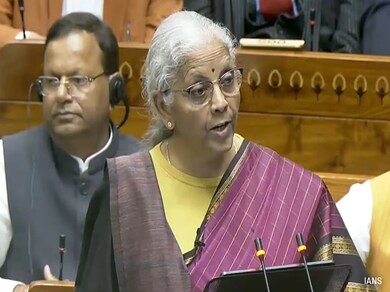
India’s Union Budget 2026, presented by Finance Minister Nirmala Sitharaman, emphasizes strategies to sustain economic growth amid global uncertainties and domestic inflationary pressures. The budget focuses on bolstering infrastructure, incentivizing investment, supporting technology and green energy sectors, and addressing fiscal prudence. Sitharaman underscored the government’s commitment to maintaining momentum in manufacturing, exports, and employment generation while ensuring financial inclusion. Tax reforms, sector-specific incentives, and digital economy initiatives aim to stimulate private and public sector participation. Analysts view the budget as a balanced approach that encourages investment, strengthens fiscal stability, and prepares the economy for future challenges.
Economic Growth and Policy Focus
Finance Minister Nirmala Sitharaman highlighted the need for continued economic momentum, acknowledging global headwinds such as geopolitical tensions, rising interest rates, and fluctuating commodity prices. The budget emphasizes policies to maintain domestic consumption, attract foreign investment, and enhance productivity across sectors.
Infrastructure remains a central theme, with increased allocations for roads, railways, and urban development. Enhanced investment in renewable energy and sustainable technologies reflects India’s commitment to decarbonization while creating employment opportunities.
Taxation and Fiscal Measures
The 2026 budget proposes targeted reforms to simplify tax compliance and reduce burdens on businesses and households. Measures include incentives for startups, SMEs, and exporters, along with digital economy-focused policies aimed at improving transparency and efficiency.
Sitharaman emphasized fiscal prudence, maintaining a balance between stimulating growth and ensuring responsible budgetary management. Analysts note that these measures are designed to foster private sector confidence while safeguarding macroeconomic stability.
Sectoral Initiatives
Key sectors highlighted include:
Technology & Digital Economy: Enhanced incentives for AI, fintech, and blockchain adoption.
Green Energy & Sustainability: Investments in renewable projects, EV infrastructure, and carbon reduction initiatives.
Manufacturing & Exports: Production-linked incentives and export facilitation to strengthen India’s global trade competitiveness.
Healthcare & Education: Increased allocations to improve access and quality, supporting long-term human capital development.
Investor and Market Outlook
Markets reacted positively to growth-oriented measures, particularly in sectors benefiting from infrastructure and technology investments. Analysts anticipate renewed foreign and domestic investment interest, driven by clear policy direction and fiscal support.
The budget signals a forward-looking approach, aiming to combine immediate economic stimulus with strategic long-term planning. Investors and businesses are advised to assess sectoral opportunities while factoring in macroeconomic stability.
Conclusion
Budget 2026 positions India to sustain growth while navigating global uncertainties. With a focus on infrastructure, technology, green energy, and fiscal prudence, the government aims to bolster economic confidence, create employment, and enhance productivity. Analysts describe it as a strategic blueprint balancing short-term growth imperatives with long-term structural reforms.