Gold Retreats Sharply as Markets Scale Back Fed Rate-Cut Hopes
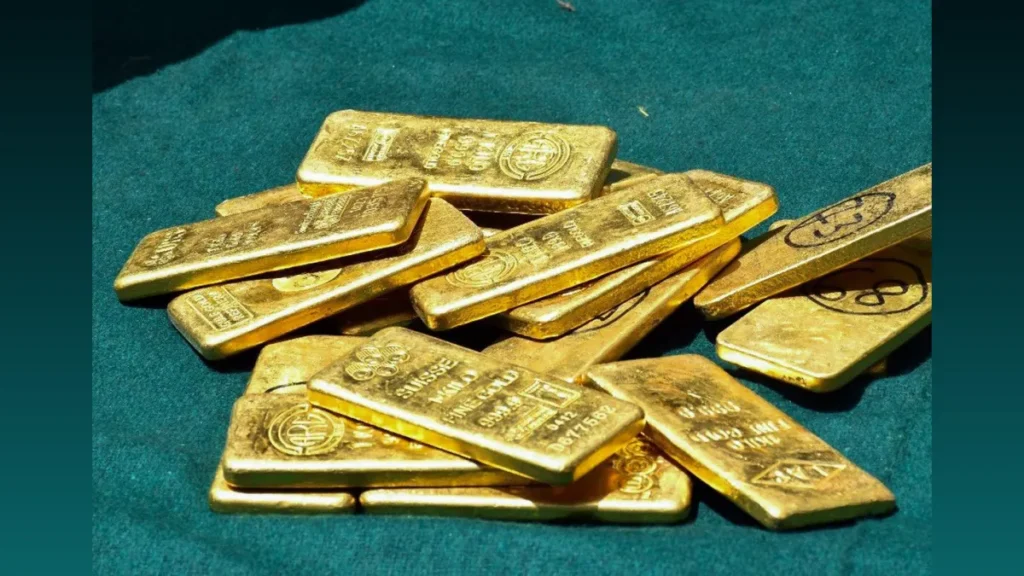
Gold prices fell significantly as global markets reassessed expectations surrounding an anticipated U.S. Federal Reserve rate cut. The yellow metal, which typically benefits from lower interest rates, has come under pressure due to rising Treasury yields, a stronger dollar and mixed signals on the U.S. economic outlook. With traders now less certain about the timing and scale of monetary easing, bullion has lost some of its defensive appeal in the short term. Although geopolitical tensions and inflationary undercurrents continue to offer long-term support, the immediate sentiment has shifted toward caution as investors wait for clearer cues from the Fed.
Fed Uncertainty Triggers a Sharp Sell-Off
Gold’s downward trajectory reflects a shift in market sentiment after traders reassessed the likelihood of an imminent rate cut by the Federal Reserve. Earlier optimism regarding a December reduction has faded, with investors now pricing in a more conservative stance from policymakers.
A firmer U.S. dollar and rising Treasury yields compounded the pressure on bullion. Since gold does not generate interest, it becomes less attractive when yields move higher, prompting speculative selling and profit-booking across global exchanges.
Domestic Market Impact: Prices Slide in India
In the Indian market, gold registered a notable correction, mirroring the global sell-off. Prices of 99.5 percent purity gold dropped by Rs. 1,500 per 10 grams in key bullion hubs as traders reacted swiftly to overseas cues.
The decline came at a time when festive demand had shown early signs of stabilisation, making the pullback more pronounced. Jewellers noted that while short-term volatility may disrupt buying momentum, a sustained drop could revive retail interest if prices stabilise near attractive entry points.
Macro Drivers: Dollar Strength and Yield Spike
Two major macroeconomic forces have shaped the metal’s latest movement:
- Stronger Dollar
The U.S. Dollar Index gained ground as investors sought safety in greenback-denominated assets. A stronger dollar makes gold more expensive for non-U.S. buyers, dampening global demand. - Higher Bond Yields
U.S. Treasury yields climbed following projections of delayed monetary easing. Higher yields reduce the appeal of non-interest-bearing assets, pushing traders toward fixed income and away from commodities like gold.
These dynamics underscore the sensitivity of gold prices to policy expectations and currency fluctuations.
Data Gaps and Market Ambiguity
A prolonged delay in key U.S. economic releases — including inflation and jobs figures — has created uncertainty around the Fed’s next steps. Without updated data, markets are relying heavily on commentary from policymakers, many of whom have adopted a more cautious tone.
This ambiguity has left traders hesitant to take aggressive positions, resulting in short-term volatility and a wider trading range for the metal. Analysts believe that gold may continue to fluctuate until fresh macroeconomic indicators provide clarity on the trajectory of U.S. monetary policy.
Near-Term Outlook: Consolidation Likely
Analysts expect gold to remain in a consolidation phase, with technical charts suggesting support near critical levels. In international markets, resistance is visible around the upper band of recent highs, while support zones lie slightly below current prices.
For Indian buyers, domestic factors — including the rupee’s movement and import expectations — will play an important role in determining the extent of further correction. A softer rupee could partially offset global declines, while improved retail demand may help stabilise local prices.
Strategic Insight for Investors
- Short-Term Caution: With rate-cut bets fading, traders should prepare for heightened volatility.
- Medium-Term Opportunity: Dips may offer strategic buying opportunities for long-term investors seeking inflation protection.
- Watch Key Data: Upcoming U.S. CPI prints, employment numbers and Fed statements will remain decisive triggers for price direction.