Govinda Raises Objection Over Film Title, Questions Use of His Name in Commercial Cinema
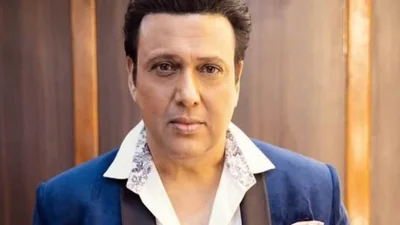
Veteran Bollywood actor Govinda has publicly expressed displeasure over the title of the film Govinda Naam Mera, stating that his name was used without consultation or consent. The film, produced under Karan Johar’s banner and featuring Vicky Kaushal, Kiara Advani and Bhumi Pednekar, drew attention for its unconventional storyline and branding. Govinda’s remarks have reignited conversations around personality rights, brand identity and intellectual property in the Indian film industry. The episode highlights the increasingly complex intersection of celebrity legacy, commercial filmmaking and legal boundaries in contemporary Bollywood.
A Public Statement Sparks Industry Debate
Actor Govinda has voiced concern over the use of his name in the title Govinda Naam Mera, a feature film backed by a major production house. The actor stated that he was neither informed nor consulted before the film’s release, suggesting that the association was created without his approval.
Although the film’s narrative does not depict Govinda’s life or career, the title’s reference has prompted questions about implied endorsement. In India’s entertainment industry, where brand equity often carries measurable commercial value, such associations can have reputational and financial implications.
Govinda, who built his career on mass appeal and comic timing through the 1990s and early 2000s, remains a recognizable public figure. The use of his name, even in a fictional context, has therefore attracted scrutiny.
The Film and Its Commercial Context
Govinda Naam Mera starred Vicky Kaushal, Kiara Advani and Bhumi Pednekar and was produced by a leading Bollywood studio. Positioned as a dark comedy thriller, the film leveraged contemporary storytelling techniques aimed at urban audiences.
From a branding perspective, the title appears to have been designed for recall value. In a saturated content ecosystem, film titles increasingly function as marketing tools intended to spark curiosity and conversation. However, the strategy can blur the lines between creative expression and personal identity rights.
The producers have not publicly indicated that the title was intended to reference the veteran actor directly. Nonetheless, the similarity in name has fueled public debate.
Personality Rights and Intellectual Property in Focus
The controversy underscores a broader legal and ethical issue: personality rights. In India, celebrities can assert rights over the commercial use of their name, image or likeness if it causes reputational harm or implies unauthorized endorsement.
Legal experts note that while names themselves are not automatically protected, their commercial exploitation without consent may invite litigation if confusion or brand dilution can be demonstrated. Courts have increasingly recognized the economic value attached to celebrity identity, particularly in advertising and entertainment.
For public figures such as Govinda, whose name carries decades of goodwill, the perceived use of that identity in a commercial product raises complex questions about ownership and artistic freedom.
Bollywood’s Branding Era
The episode also reflects a larger transformation within Bollywood. As theatrical revenues face volatility and streaming platforms intensify competition, producers are adopting bold marketing strategies to differentiate projects. Titles referencing cultural icons, nostalgia or recognizable personas can generate instant buzz.
Yet such tactics carry risk. Associating a film with a well-known personality—whether intentional or coincidental—may provoke backlash if stakeholders feel misrepresented. In an era of social media amplification, even minor disputes can evolve into headline controversies.
Industry Implications
While the matter has so far remained a public disagreement rather than a legal battle, it highlights the need for clearer boundaries between creative liberty and individual rights. Industry observers suggest that production houses may adopt more cautious naming conventions in the future to avoid potential disputes.
For Govinda, the statement appears to be as much about principle as branding. The actor’s comments reinforce the notion that legacy and identity retain significant value in India’s celebrity-driven economy.
The incident serves as a reminder that in contemporary cinema, intellectual property extends beyond scripts and soundtracks—it encompasses reputation, recognition and personal brand equity. As Bollywood continues to evolve, balancing artistic innovation with ethical accountability will remain essential for sustainable growth.