Nagpur Brothers Triumph: Ajinkya and Vikram Gandhe Crowned MasterChef India 2026 Champions
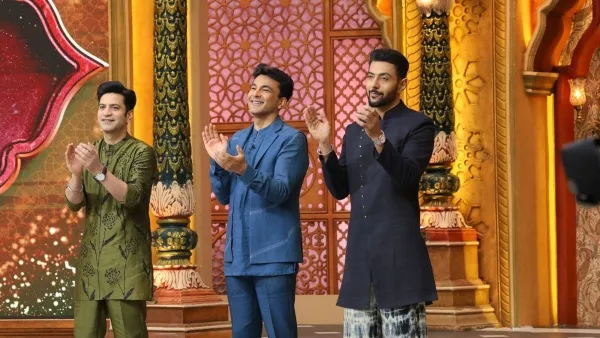
The 2026 season of MasterChef India concluded with a remarkable victory for Nagpur-based brothers Ajinkya and Vikram Gandhe, whose culinary excellence and innovative approach secured them the prestigious title. Their win represents not only personal achievement but also the growing prominence of regional talent within India’s expanding culinary industry. Throughout the competition, the duo demonstrated technical skill, creativity, and strong teamwork, delivering dishes that blended traditional Indian flavors with modern presentation. Their triumph highlights the increasing role of televised cooking competitions in shaping culinary entrepreneurship and promoting regional cuisines, while also opening new opportunities for chefs to transform their passion for food into sustainable careers.
A Historic Win for Nagpur’s Culinary Talent
The grand finale of MasterChef India 2026 delivered a memorable moment for viewers and the culinary community alike, as Ajinkya and Vikram Gandhe emerged as the season’s champions. Representing Nagpur, the brothers impressed judges throughout the competition with their disciplined approach to cooking and their ability to reinterpret traditional recipes in contemporary styles.
The final round showcased their strongest attributes: creativity, technical precision, and seamless collaboration. Their winning menu reportedly combined regional influences with refined culinary techniques, demonstrating both authenticity and innovation. The judges praised their ability to elevate everyday ingredients into sophisticated dishes suitable for fine dining.
Their victory marks a milestone for the show, highlighting the impact of teamwork and shared culinary vision in a competition traditionally dominated by individual contestants.
The Journey From Home Kitchens to National Recognition
Ajinkya and Vikram Gandhe’s journey to the championship began in Nagpur, a city known for its diverse food culture and vibrant street cuisine. The brothers developed their cooking skills through years of experimentation, drawing inspiration from family traditions as well as professional culinary practices.
During the season, they consistently delivered standout performances in challenges involving regional cuisines, international cooking techniques, and time-sensitive pressure tests. Their ability to adapt quickly and maintain consistency under pressure set them apart from other contestants.
Observers noted that the brothers’ culinary philosophy emphasized balance—blending traditional Indian flavors with modern plating and presentation techniques. This approach resonated strongly with the judges and audience, ultimately helping them secure the title.
Prize Money and Professional Opportunities
Winning MasterChef India typically brings significant financial rewards and career prospects. Champions often receive prize money, professional training opportunities, and exposure to leading figures within the hospitality industry.
For Ajinkya and Vikram Gandhe, the victory is expected to translate into substantial commercial opportunities, including potential restaurant ventures, culinary collaborations, and media engagements. Such platforms can transform skilled chefs into influential food entrepreneurs, allowing them to build brands that extend beyond the television screen.
The financial implications of these opportunities can be considerable. Successful winners have historically leveraged their recognition to establish profitable ventures within India’s rapidly expanding food and hospitality sector.
Television Competitions and the Culinary Economy
Cooking competitions have become an influential component of the entertainment and hospitality industries. Programs like MasterChef India serve as platforms that identify talent while simultaneously driving consumer interest in gastronomy.
The exposure generated by such shows benefits multiple sectors, including restaurants, food startups, culinary education institutions, and hospitality businesses. Viewers often become more curious about regional cuisines and innovative dining experiences, which in turn stimulates economic activity within the broader food ecosystem.
The success of Ajinkya and Vikram Gandhe illustrates how television platforms can transform talented cooks into public figures capable of influencing culinary trends and consumer preferences.
Regional Cuisine in the National Spotlight
One of the defining themes of the 2026 season was the celebration of regional Indian cuisine. Contestants frequently drew inspiration from local ingredients, traditional cooking methods, and cultural food heritage.
The Nagpur brothers’ victory reinforced the growing recognition of regional culinary identities in India’s modern food culture. By presenting dishes that respected traditional flavors while incorporating contemporary techniques, they demonstrated that local cuisine can achieve both national and global appeal.
Such recognition also encourages aspiring chefs across smaller cities and towns to explore their regional culinary roots and present them to wider audiences.
A New Chapter for India’s Emerging Chefs
The triumph of Ajinkya and Vikram Gandhe signals an important shift in India’s culinary landscape. As cooking becomes an increasingly respected profession, more young people are pursuing careers in gastronomy, hospitality, and food entrepreneurship.
Their journey from Nagpur to national recognition reflects the changing dynamics of India’s food industry, where creativity, cultural authenticity, and media exposure can combine to produce remarkable success stories.
With their victory in MasterChef India 2026, the Gandhe brothers have not only secured a prestigious title but also positioned themselves as emerging figures in India’s evolving culinary economy. Their success is likely to inspire a new generation of chefs eager to transform traditional flavors into modern culinary achievements.