Sunil Grover Defends Celebrity Impersonations Amid Rising Personality Rights Disputes
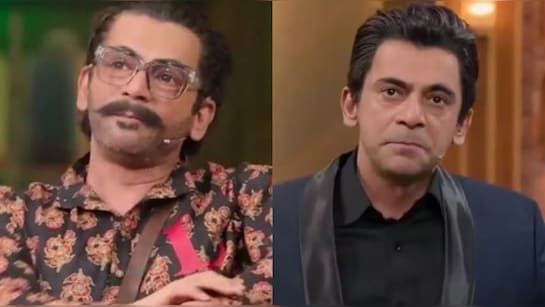
Actor-comedian Sunil Grover has addressed the growing debate around personality rights in India’s entertainment industry, asserting that his celebrity impersonations are intended as tributes rather than ridicule. His remarks come at a time when several high-profile actors have taken legal steps to safeguard their names, likenesses and public personas. Grover emphasized that he does not support offensive humor or commercial misuse of an individual’s identity. The discussion highlights the evolving intersection of intellectual property, celebrity branding and creative expression in a rapidly digitizing media ecosystem.
Impersonation in the Age of Personality Rights
Sunil Grover, widely recognized for his comedic versatility and mimicry skills, has responded to concerns about the legal and ethical boundaries of impersonating public figures. Speaking recently about the issue, Grover maintained that his portrayals are rooted in admiration rather than mockery.
The conversation gains relevance as prominent actors across Bollywood have increasingly sought judicial protection of their personality rights — a legal framework designed to prevent unauthorized commercial exploitation of a celebrity’s name, image or distinctive traits. Courts in India have in recent years granted injunctions restricting the misuse of such identities, particularly in advertising and digital endorsements.
Grover’s comments underscore the delicate balance between artistic freedom and intellectual property protections in the entertainment sector.
A Tribute, Not a Target
The comedian recently drew widespread attention for his imitation of Aamir Khan, a performance many viewers described as both accurate and affectionate. Addressing the possibility of legal risks, Grover remarked that he does not approach impersonation with apprehension unless confronted with a formal complaint.
He clarified that he draws a distinction between creative homage and misrepresentation. According to Grover, problems arise when a celebrity’s likeness is used to endorse products or ideas without consent — a practice that could cause reputational or financial harm. In contrast, he views stage performances and comic sketches as a celebration of cultural icons who, in his words, belong to the broader public imagination.
Legal Landscape and Industry Implications
India’s legal framework on personality rights has evolved significantly in the digital era. As celebrities increasingly monetize their brand equity across platforms, protecting identity has become a strategic priority.
Legal experts note that personality rights extend beyond defamation and encompass unauthorized endorsements, digital deepfakes and misleading associations. With the proliferation of social media and AI-generated content, the risk of reputational misuse has intensified.
Grover’s remarks arrive amid a broader industry recalibration. For entertainers whose craft involves mimicry, satire or parody, clarity around legal boundaries is essential. The distinction between artistic expression and commercial exploitation remains a central point of debate.
Comedy, Culture and Commercial Value
Impersonation has long been a staple of Indian comedy, often serving as both tribute and social commentary. However, as celebrity personas evolve into multimillion-rupee brands, the commercial stakes have increased. Endorsement deals, streaming contracts and intellectual property licensing now contribute significantly to a star’s earnings.
In this context, protecting identity is not merely about ego but about preserving economic value. A celebrity’s image may be linked to endorsements worth Rs. 5 crore, Rs. 10 crore or more annually, amplifying concerns about unauthorized use.
Grover’s defense of respectful mimicry suggests that creative communities must adapt while preserving the spirit of performance art.
The Road Ahead
The broader debate signals a pivotal moment for India’s entertainment ecosystem. As legal awareness rises and digital content expands, comedians, content creators and producers will likely exercise greater caution. At the same time, audiences continue to appreciate parody and satire when executed with sensitivity.
Sunil Grover’s position reflects a nuanced understanding of this evolving terrain. By emphasizing respect and rejecting offensive humor, he attempts to align artistic expression with ethical responsibility.
Whether personality rights cases will reshape comedic performance remains uncertain. What is clear, however, is that the intersection of law, commerce and creativity will continue to define the next chapter of India’s entertainment industry.