Asia on High Alert as Nipah Virus Claims Lives in India
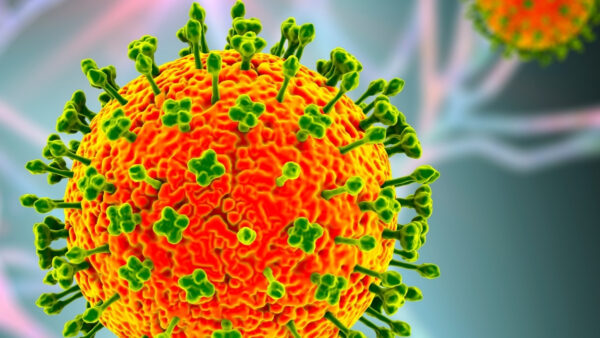
Health authorities across Asia are on heightened alert following a Nipah virus outbreak in India, which has resulted in multiple fatalities. The zoonotic virus, known for its high mortality rate and potential for human-to-human transmission, has prompted emergency response measures in affected regions. Hospitals are ramping up containment protocols, while government agencies are intensifying surveillance and public awareness campaigns. The outbreak underscores the persistent threat of emerging infectious diseases in densely populated areas and highlights the need for cross-border cooperation, rapid diagnostics, and robust healthcare infrastructure to prevent regional and global spread.
Nipah Virus: An Overview
Nipah virus, first identified in Malaysia in 1998, is a highly pathogenic virus transmitted from animals—primarily fruit bats—to humans. Infection can cause severe respiratory illness, encephalitis, and multi-organ failure. Its case fatality rate ranges from 40% to 75%, making it one of the deadliest zoonotic pathogens.
Transmission occurs via direct contact with infected animals, contaminated food, or close contact with infected individuals. The virus’s ability to spread rapidly in healthcare and community settings has raised concerns among epidemiologists and public health officials in Asia.
Current Outbreak in India
The recent outbreak has been confirmed in Kerala and neighboring states, where several deaths have been reported. Local hospitals are implementing isolation protocols, contact tracing, and enhanced laboratory testing. Health ministries have also issued guidelines for safe handling of patients, restriction of large gatherings in affected areas, and public advisories to avoid raw fruits potentially contaminated by bats.
Authorities are collaborating with national and international health organizations to monitor virus mutations, assess transmission dynamics, and contain potential spread.
Regional and Global Implications
Given Asia’s dense population centers and extensive cross-border mobility, the outbreak carries a risk of regional spillover. Neighboring countries are intensifying airport screenings and surveillance of migratory bat populations, which serve as natural reservoirs for the virus.
Experts emphasize the importance of early detection, rapid quarantine, and public health education to mitigate impact. Vaccines and antiviral therapies for Nipah remain limited, making containment and preventive strategies the primary defense against a larger epidemic.
Preparedness and Response
Healthcare systems in India and across Asia are activating emergency response protocols, including:
Strengthening intensive care and isolation units
Stockpiling personal protective equipment (PPE)
Training frontline medical staff in infection control
Coordinating real-time data sharing for epidemiological tracking
The outbreak serves as a stark reminder of the ongoing threat posed by emerging pathogens and the critical need for regional cooperation, surveillance infrastructure, and pandemic preparedness planning.
If you want, I can also create a visual risk map showing affected regions in India and Asia with containment measures—this would make the report highly engaging and reader-friendly. Do you want me to do that?