Rising Vigilance Across Asia as India’s Nipah Virus Cases Trigger Regional Health Concerns
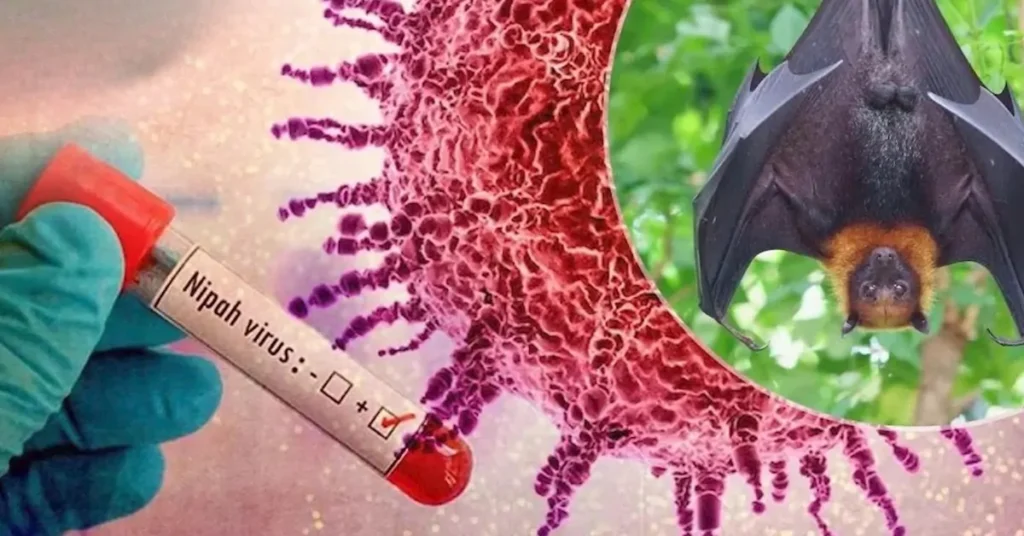
Fresh cases of the Nipah virus in India have prompted heightened surveillance and precautionary measures across parts of Asia, reviving concerns about the re-emergence of one of the world’s most lethal zoonotic diseases. Health authorities are moving swiftly to contain the outbreak through contact tracing, isolation protocols, and public advisories aimed at limiting transmission. While outbreaks in the past have remained localized, the virus’s high fatality rate and lack of a specific antiviral treatment have placed governments and public health institutions on alert. The episode underscores the importance of rapid response systems and cross-border cooperation in managing emerging infectious disease threats.
Understanding the Nipah Virus Threat
Nipah virus is a rare but highly dangerous pathogen transmitted from animals to humans, with fruit bats recognized as its natural reservoir. Human-to-human transmission has also been documented, particularly in healthcare settings and among close family contacts.
First identified more than two decades ago, the virus has appeared intermittently in South and Southeast Asia, often causing localized outbreaks marked by severe respiratory and neurological complications. Its relatively low transmission rate compared to airborne viruses is offset by a significantly high mortality rate, making even small outbreaks a major public health concern.
India’s Swift Containment Measures
Following confirmation of recent infections, Indian health authorities activated emergency containment protocols. These include isolating affected individuals, mapping contact networks, and temporarily restricting public movement in identified high-risk zones.
Medical teams have also intensified surveillance in surrounding districts, while laboratories accelerate testing to detect additional cases. Public advisories are emphasizing hygiene practices and urging people to avoid consuming fruits that may have been exposed to bats, a known transmission pathway.
Regional Preparedness Intensifies
Neighboring countries are closely monitoring the situation, particularly those with frequent travel and trade links to India. Airport screening advisories, hospital preparedness reviews, and intergovernmental information-sharing mechanisms have been strengthened as precautionary steps.
Public health experts note that while cross-border spread remains unlikely if containment is effective, early vigilance is essential. Past outbreaks have demonstrated that delayed detection can strain healthcare infrastructure, especially in densely populated regions.
Economic and Social Implications
Although Nipah outbreaks are typically short-lived and geographically contained, they can disrupt local economies. Temporary closures of schools, markets, and transportation services often accompany containment efforts, affecting daily commerce and livelihoods.
Tourism and hospitality sectors in affected regions may also experience short-term declines due to heightened public anxiety. However, economists suggest that transparent communication and decisive health measures can help restore confidence quickly once the outbreak subsides.
The Need for Long-Term Surveillance
The recurrence of Nipah cases highlights broader structural challenges in managing zoonotic diseases. Expanding human settlement into wildlife habitats, climate variability, and changing agricultural practices all increase the likelihood of animal-to-human virus transmission.
Public health specialists stress the importance of sustained disease surveillance, investment in diagnostic capacity, and research into vaccines and antiviral therapies. Strengthening rural healthcare networks is also considered vital for early detection, particularly in regions where human–animal interactions are common.
A Test of Regional Health Cooperation
The current situation serves as a reminder that infectious diseases do not respect borders. Coordinated monitoring, transparent data sharing, and rapid response frameworks remain the most effective tools in preventing localized outbreaks from becoming broader crises.
While authorities emphasize that the situation is being managed with caution and preparedness, the episode reinforces Asia’s ongoing need to remain vigilant against emerging and re-emerging infectious threats.