Running Through Winter Smog: Practical Strategies to Safeguard Lung Health
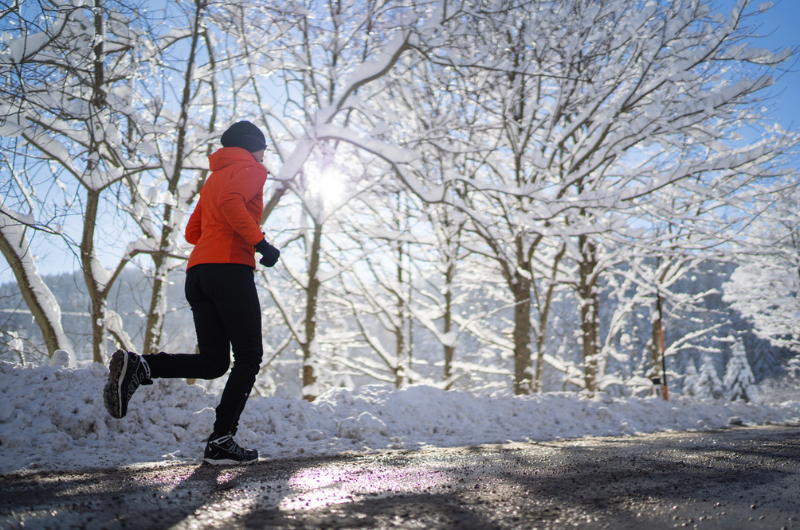
As winter settles in, runners across urban and semi-urban regions face a growing but often underestimated challenge: deteriorating air quality and its impact on lung health. Colder temperatures, higher pollution levels and dry air can strain the respiratory system, reducing performance and increasing health risks. Yet, with informed planning and preventive measures, outdoor running can remain both safe and beneficial. This article examines how winter conditions affect lung function, outlines practical steps to minimize respiratory stress, and offers evidence-based insights to help runners protect their lungs while maintaining fitness through the colder months.
Why Winter Running Puts Extra Stress on the Lungs
Winter air is typically colder and drier, which can irritate the airways when inhaled rapidly during exercise. In many cities, seasonal pollution levels also rise due to temperature inversions and increased emissions. Together, these factors can inflame bronchial passages, trigger coughing or wheezing, and exacerbate underlying conditions such as asthma or allergies. For regular runners, prolonged exposure without safeguards may lead to reduced endurance and longer recovery times.
Timing and Location Matter More Than Distance
One of the most effective ways to protect lung health is to choose the right time and place to run. Early mornings often carry higher pollution levels due to trapped particulate matter, while late afternoons may offer relatively cleaner air. Parks, open tracks and less congested routes reduce exposure to vehicular emissions. Adjusting training schedules around air quality conditions can significantly lower respiratory strain without compromising fitness goals.
Breathing Techniques and Protective Gear
Controlled nasal breathing, where possible, helps warm and filter air before it reaches the lungs. For high-intensity runs, lightweight masks or pollution-filtering buffs can reduce inhalation of harmful particles, particularly on poor air quality days. While such gear may slightly limit airflow, the trade-off often favors long-term respiratory protection, especially during prolonged outdoor sessions.
Hydration, Warm-Ups and Post-Run Care
Staying well-hydrated keeps respiratory linings moist and more resilient against irritation. Extended warm-ups are equally important, allowing the lungs to gradually adapt to colder air. After running, changing out of damp clothing and performing gentle breathing exercises can aid recovery and reduce inflammation in the airways.
Listening to the Body and Knowing When to Adapt
Persistent chest tightness, breathlessness or coughing should not be ignored. These symptoms may signal that environmental conditions are outweighing the benefits of outdoor exercise. On high-pollution days, indoor training alternatives such as treadmills, strength work or cross-training can help maintain consistency without compromising health.
A Balanced Approach to Winter Fitness
Winter running does not have to come at the cost of lung health. By combining awareness, adaptive training strategies and preventive care, runners can continue to perform safely and sustainably. In the long run, protecting respiratory health is not just about endurance—it is an investment in overall well-being and longevity in sport.