Choking Skies and Crumbling Streets: Why India’s Major Cities Are Sliding Toward Unliveability
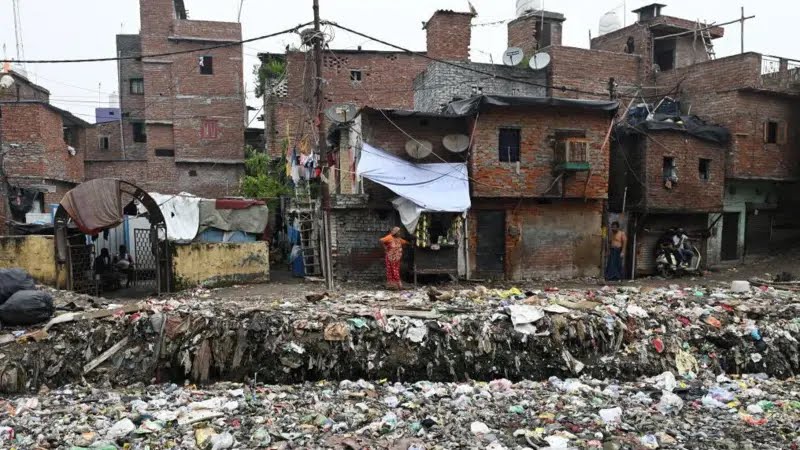
India’s largest cities are increasingly struggling to sustain liveable conditions as toxic air, deteriorating infrastructure, and chronic waste mismanagement converge into a systemic urban crisis. Rapid population growth, uneven planning, and strained civic finances have overwhelmed municipal capacities, leaving residents exposed to health risks and declining quality of life. From hazardous air pollution levels to broken roads and uncollected garbage, the symptoms are visible and persistent. The issue is no longer confined to inconvenience; it has become an economic and public health concern. As urban centers drive India’s growth, their gradual erosion threatens long-term productivity, equity, and sustainability.
Air Pollution: A Public Health Emergency
Air quality has emerged as the most pressing challenge for India’s metropolitan regions. Prolonged exposure to high particulate matter levels has been linked to respiratory illnesses, cardiovascular diseases, and reduced life expectancy. Seasonal factors such as crop residue burning and weather inversions exacerbate the problem, but structural causes remain dominant.
Vehicular congestion, construction dust, industrial emissions, and inadequate enforcement of environmental regulations continue to push pollution levels beyond safe limits. For millions of urban residents, breathing clean air has become a luxury rather than a basic right.
Infrastructure Under Stress
India’s urban infrastructure is buckling under the weight of rapid expansion. Roads riddled with potholes, inadequate drainage systems, and frequent waterlogging reflect years of underinvestment and reactive planning. What were once designed as temporary fixes have turned into permanent liabilities.
The economic cost is substantial. Damaged
roads increase logistics expenses, disrupt daily commutes, and contribute to vehicle wear and tear, indirectly raising household and business costs. Poor infrastructure also discourages private investment, weakening cities’ competitiveness in a global economy.
Waste Management: A Persistent Failure
Uncollected garbage and overflowing landfills have become defining features of urban life. Despite repeated policy initiatives, waste segregation and recycling remain inconsistent, leaving municipal bodies overwhelmed.
The financial burden of waste management continues to rise, while operational efficiency lags. Open dumping not only degrades urban aesthetics but also contaminates groundwater and fuels the spread of disease. The inability to close this gap points to governance challenges rather than a lack of awareness or funding alone.
Governance and Fiscal Constraints
At the core of India’s urban decline lies a governance deficit. Municipal corporations often operate with limited financial autonomy, relying heavily on state allocations that are insufficient for expanding urban needs. Property tax collection remains inefficient, and long-term urban planning is frequently sidelined by short-term political considerations.
This mismatch between responsibility and resources has left city administrations reactive rather than strategic, addressing symptoms instead of root causes.
Economic Consequences of Unliveable Cities
Unliveable cities carry a tangible economic cost. Productivity losses from health issues, longer commute times, and declining workforce morale are increasingly visible. For businesses, operating in polluted and poorly managed cities raises costs and reduces talent retention.
As India positions itself as a global economic hub, the condition of its cities will play a decisive role in determining whether growth remains inclusive and sustainable.
The Road Ahead
India’s urban crisis demands coordinated action across policy, finance, and execution. Investments in clean mobility, resilient infrastructure, and professional urban governance are no longer optional. Without decisive reforms, the gradual erosion of liveability in major cities risks undermining both economic ambition and social well-being.
The question is no longer whether India can afford to fix its cities, but whether it can afford not to.