Delhi Student Air Quality Concerns Spark Debate Over Academic Schedules
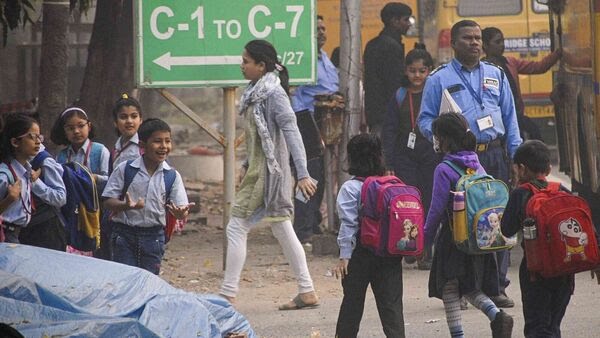
A viral post by a Delhi-based student has reignited debates over the impact of air pollution on education and public health. The student highlighted the extreme toxicity of Delhi’s air, questioning the rationale of continuing routine academic activities under hazardous conditions. Experts warn that prolonged exposure to polluted air can impair cognitive function, respiratory health, and overall well-being, particularly among children and adolescents. The post has prompted schools, parents, and policymakers to reconsider scheduling and mitigation measures. Environmental activists advocate for stricter pollution control, public awareness campaigns, and adaptation of academic routines to safeguard students’ health.
Student Raises Alarm on Hazardous Air
The viral post, authored by a student in Delhi, criticized the continuation of academic routines amid severe air pollution. Using vivid descriptions of “poisonous air,” the student questioned whether conventional schooling schedules adequately consider health risks, sparking widespread discussion on social media and in educational forums.
Health Risks of Air Pollution
Medical experts emphasize that exposure to high levels of pollutants—PM2.5, nitrogen dioxide, and other airborne toxins—can adversely affect lung development, increase susceptibility to respiratory infections, and even impair cognitive functions. Children, particularly those attending schools in urban hotspots, remain the most vulnerable group.
Educational Implications
The post has prompted debates over the appropriateness of maintaining rigid academic schedules during periods of extreme pollution. Some schools have begun exploring staggered hours, online classes, and indoor learning alternatives, aiming to protect student health without compromising academic continuity.
Policy and Awareness Considerations
Environmentalists and education policymakers suggest a multi-pronged approach, including stricter emission controls, improved air quality monitoring, and public advisories for schools and parents. Experts advocate for integrating air quality data into decision-making for school operations, emphasizing that health must take precedence over routine scheduling.
Broader Public Response
The viral post has resonated widely, highlighting growing public concern over Delhi’s pollution crisis. It underscores the need for systemic interventions to address environmental health hazards while prompting schools to prioritize the well-being of students in their operational planning.