Fresh Bomb Threat Emails Trigger Security Sweep Across Delhi Schools
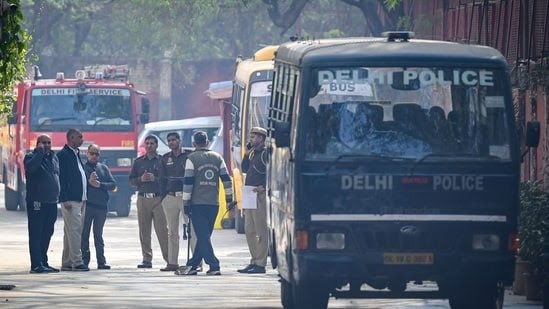
Several prominent schools in Delhi received bomb threat emails on Friday morning, prompting swift deployment of law enforcement, fire services and bomb disposal squads across multiple campuses. Authorities initiated comprehensive anti-sabotage checks as a precautionary measure, ensuring the safe evacuation of students and staff. The incident marks the second such wave of threats within a week, intensifying concerns over coordinated hoax communications targeting educational institutions in the national capital. Police officials confirmed that the emails were sent through anonymous accounts and are currently under investigation. No explosives were found during preliminary searches, officials said.
Coordinated Security Response Across Campuses
A fresh round of bomb threat emails sent shockwaves across several schools in Delhi early Friday, triggering an immediate and coordinated response from law enforcement agencies.
According to police officials, calls began reaching control rooms around 9:12 a.m., with at least three institutions initially reporting receipt of threatening emails. As the morning progressed, additional schools informed authorities of similar messages.
Personnel from the Delhi Police, along with fire department teams and bomb disposal units, were dispatched to affected campuses to conduct extensive anti-sabotage inspections. Schools were promptly evacuated to ensure student safety.
Schools Targeted in Latest Threat
Among the institutions that reported receiving the threatening communication were BT Tamil School in Jhandewalan, Sardar Patel Vidyalaya and the British School. Authorities indicated that the email originated from an anonymous account, complicating immediate identification of the sender.
Senior police officers said forensic and cybercrime teams are examining the digital trail to trace the source of the communication. Investigators are also assessing whether the incidents are linked to previous threats reported earlier in the week.
The pattern of repeated alerts within a short span has heightened vigilance across the education sector.
Second Incident in a Week Raises Concerns
This marks the second series of bomb threat emails directed at Delhi schools within a week. On February 9, more than 15 educational institutions received similar threats, prompting large-scale security checks.
Although prior investigations did not uncover any explosive devices, officials remain cautious given the potential psychological impact and disruption caused by such communications.
Security agencies are evaluating whether the incidents represent coordinated mischief, a broader cyber hoax campaign or isolated acts intended to trigger panic.
Communication With Parents and Safety Protocols
Schools swiftly communicated with parents to reassure them about student safety. In a message circulated to families, one institution stated that a security threat had been received in the morning and that, as a precautionary measure, police officials were conducting necessary checks on campus.
“All students have been evacuated safely. Once the school is declared safe, classes will be resumed,” the message read.
The structured response reflects established emergency preparedness protocols designed to minimize risk while maintaining transparency with stakeholders.
Broader Implications and Investigation
Repeated threat emails targeting educational institutions underscore the evolving nature of digital security challenges. Even when found to be hoaxes, such threats impose operational costs, disrupt academic schedules and generate anxiety among parents and students.
Authorities have intensified cyber forensic analysis to identify the origin of the emails and determine whether legal action can be initiated against those responsible. Officials emphasized that stringent measures would be pursued under relevant criminal and cyber laws.
As investigations continue, heightened vigilance remains in place across schools in the capital, with administrators reviewing safety frameworks to ensure rapid response to any future alerts.