Karnataka High Court Declines to Halt Prajwal Revanna’s Life Sentence in Rape Conviction
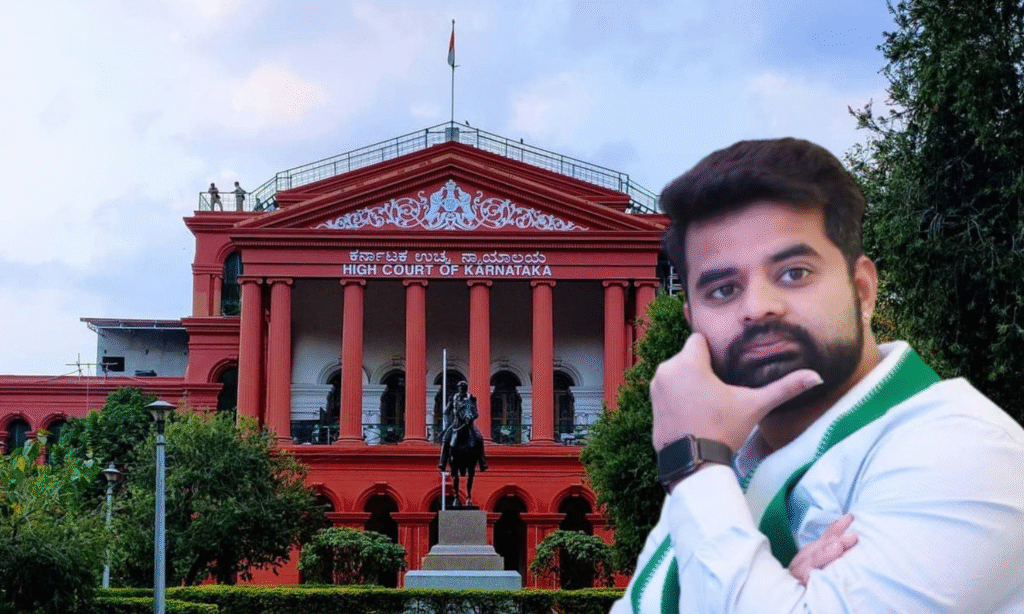
The Karnataka High Court has refused to suspend the life sentence of former MP Prajwal Revanna, marking a significant development in one of the state’s most closely watched criminal cases. The court ruled that the gravity of the offences, coupled with the risk of interference with ongoing proceedings, made interim relief inappropriate at this stage. While Revanna argued inconsistencies in evidence and sought suspension of his sentence until the final appeal, the court maintained that such considerations must be addressed during the comprehensive appellate hearing. The decision underscores the judiciary’s resolute approach to sexual-violence cases involving powerful individuals.
Court Rejects Plea for Suspension of Sentence
A division bench of the Karnataka High Court dismissed Prajwal Revanna’s request to suspend his life sentence, holding that the nature of the crimes warranted a strict approach. The court observed that releasing the convict on bail could compromise the integrity of the judicial process, particularly when several related matters are still under trial.
The judges reiterated that suspension of sentence pending appeal is an exceptional remedy, not a procedural default, especially in cases involving serious offences such as rape, criminal intimidation and unlawful recording of explicit content.
Arguments Presented by the Defence
Revanna’s legal team contended that the conviction was based on contradictory technical evidence, highlighting alleged discrepancies in forensic reports, gaps in electronic records and delays in filing the complaint. They insisted these factors merited closer scrutiny and offered grounds for the court to consider interim suspension of sentence.
However, the bench clarified that assessing the strength of the evidence is a matter reserved for the final appeal. The court stated that interim bail cannot be granted simply on the basis of contestable points that require detailed examination at a later stage.
Conviction and Sentencing Background
Revanna was convicted earlier this year on multiple counts, including repeated rape, assault, intimidation and offences under the Information Technology Act. The special court imposed life imprisonment, along with additional sentences and penalties, including fines amounting to Rs. 11 lakh.
The trial court had described the offences as aggravated in nature, noting that non-consensual recordings and coercive tactics elevated the severity of the crimes. It also awarded compensation to the survivor, acknowledging the harm and trauma caused.
Judicial Reasoning and Broader Implications
In rejecting the suspension plea, the High Court emphasised the need to protect the fairness of the appellate process. The judges noted that Revanna’s social and political influence heightened concerns of potential pressure on witnesses or tampering with evidence if he were released.
The decision sends a broader message about judicial accountability: that individuals in positions of authority will not be afforded relaxed standards in cases involving sexual offences. The ruling aligns with the growing judicial trend of prioritising survivor protection and maintaining public trust in the legal system.
Next Steps in the Legal Process
Although interim relief has been denied, Revanna’s main appeal against the conviction remains pending. The High Court reiterated that its refusal to suspend the sentence does not predetermine the outcome of the appeal, which will be considered on its merits during a detailed hearing.
The case continues to draw national attention, not only because of the high-profile nature of the accused but also due to its implications for prosecuting sexual-violence cases involving influential figures. As the appellate process progresses, the judiciary’s handling of this matter is expected to remain under close public and political scrutiny.