Lalu Prasad Yadav Challenges IRCTC Corruption Case in Delhi High Court
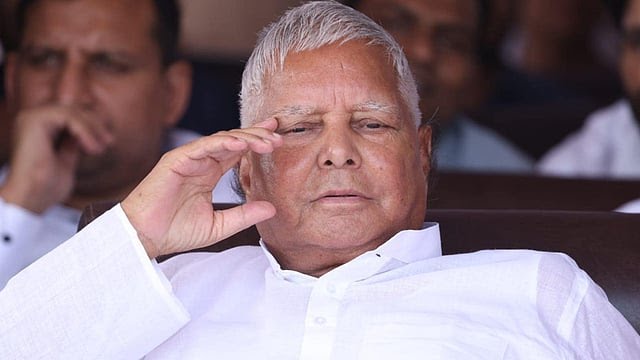
Rashtriya Janata Dal leader and former railway minister Lalu Prasad Yadav has approached the Delhi High Court seeking relief in the long-running IRCTC corruption case. The petition challenges the framing of corruption charges linked to alleged irregularities in the award of railway catering contracts during his tenure at the Railways Ministry. The move marks a fresh legal push by the veteran politician to contest the proceedings, which have remained under judicial scrutiny for years. The case carries political and legal significance, as it tests the robustness of prosecution arguments and the evolving standards of accountability in public office.
Legal Challenge Before the High Court
Lalu Prasad Yadav has filed a petition before the Delhi High Court questioning the validity of corruption charges framed against him in connection with the IRCTC case. His plea argues that the allegations do not meet the legal threshold required to sustain prosecution under anti-corruption laws.
The court is expected to examine whether the lower court’s order framing charges was supported by sufficient material evidence.
Background of the IRCTC Case
The case stems from alleged irregularities in the allocation of catering and maintenance contracts of the Indian Railway Catering and Tourism Corporation during Yadav’s tenure as railway minister. Investigators have claimed that the contracts were awarded in a manner that caused undue benefit to private parties.
Yadav has consistently denied wrongdoing, maintaining that the decisions were taken in accordance with established procedures.
Legal Arguments and Defense Strategy
In his petition, Yadav has contended that the prosecution relied on assumptions rather than concrete proof. The defense has emphasized the absence of direct evidence linking him to any financial gain or abuse of official position.
Legal experts note that the High Court’s review will focus on procedural fairness and the sufficiency of prima facie evidence.
Political and Judicial Implications
The outcome of the petition could have wider implications, both politically and legally. A favorable ruling may provide temporary relief to the former chief minister, while an adverse decision would allow the trial to proceed as scheduled.
The case is closely watched as part of a broader discourse on corruption, accountability, and due process in public administration.
What Lies Ahead
The Delhi High Court’s decision will determine whether the corruption charges stand or require reconsideration. Until then, the case remains a key chapter in the ongoing legal challenges faced by one of India’s most prominent political figures.