Owaisi Predicts India’s First Hijab-Clad Prime Minister; BJP Deems Comment ‘Irresponsible’
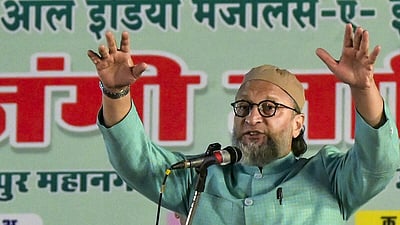
In a statement that has sparked political debate, AIMIM leader Asaduddin Owaisi suggested that India may, in the future, have a Prime Minister who wears a hijab, emphasizing the country’s secular ethos and democratic inclusivity. The remark elicited strong reactions from the BJP, which criticized it as “irresponsible” and politically provocative. Analysts note that the comment reflects ongoing discussions around minority representation and the evolving discourse on identity politics in India. While Owaisi framed his statement as aspirational for inclusivity, critics argue it could polarize public sentiment ahead of elections, highlighting the delicate balance between freedom of expression and political accountability.
Owaisi’s Statement and Context
During a recent public address, Asaduddin Owaisi underscored the idea that India’s democratic framework allows for individuals from diverse backgrounds, including women wearing religious attire, to ascend to the highest political office. He suggested that such a scenario is plausible in the future as the country becomes more representative of its multicultural and multi-religious population.
Owaisi framed his comments as a reflection of India’s constitutional commitment to equality, arguing that leadership potential should transcend religious or cultural identity.
BJP’s Response
The Bharatiya Janata Party swiftly condemned the remarks, labeling them “irresponsible” and a potential attempt to stoke communal tensions. Party spokespersons asserted that political commentary should be grounded in practical governance issues rather than identity-based speculation. The BJP emphasized that such statements, if misinterpreted, could distract from substantive policy debates and electoral priorities.
Political and Social Implications
The debate highlights the ongoing discourse around minority representation in Indian politics. Observers note that while India has made strides toward gender inclusivity, women from religious minorities remain underrepresented in leadership positions. Owaisi’s statement brings these issues to the forefront, sparking conversations about societal perceptions, secularism, and the intersection of identity and governance.
At the same time, the BJP’s reaction reflects broader concerns about electoral polarization and the sensitivities surrounding religion and politics in India. Analysts suggest that such remarks can energize supporters of different political ideologies while also intensifying scrutiny of minority political participation.
Conclusion
Owaisi’s prediction of a hijab-clad Prime Minister exemplifies the complex interplay between representation, identity politics, and democratic aspiration in contemporary India. While the comment has drawn criticism from political opponents, it also reignites a broader debate on inclusivity, religious freedom, and gender equity in leadership. As India approaches future electoral cycles, discussions like these are likely to remain central to the national political narrative, challenging parties to balance constitutional ideals with pragmatic governance.