Rahul Gandhi Accuses Election Commission of Facilitating “Vote Theft” Through SIR in Gujarat
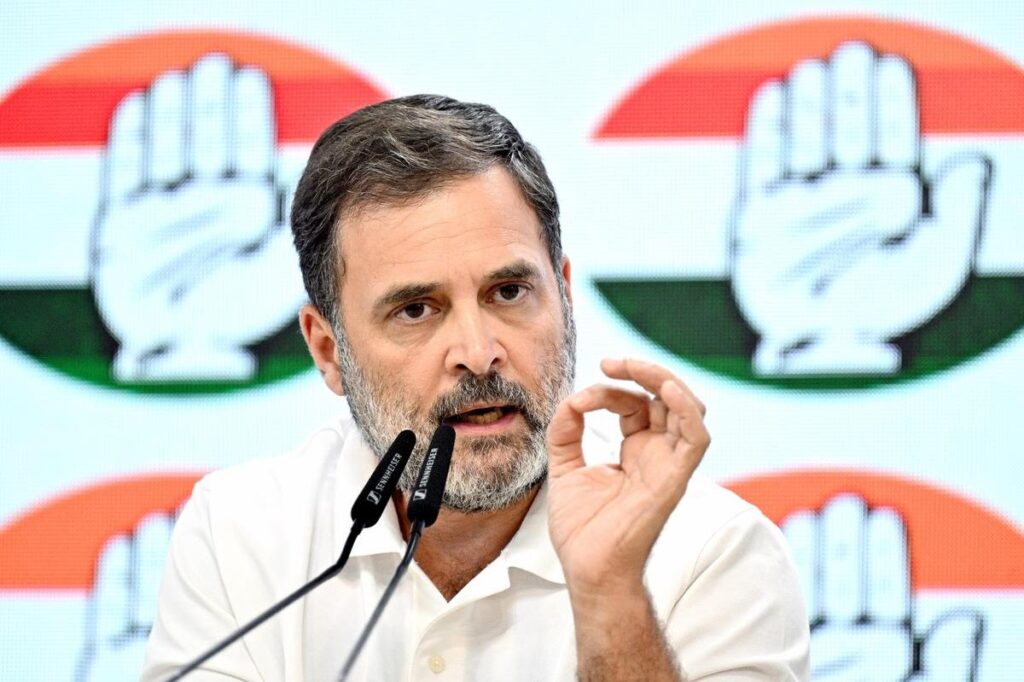
Rahul Gandhi, Leader of the Opposition in the Lok Sabha, has publicly accused the Election Commission of India (ECI) of enabling a systematic undermining of democratic principles through the Special Intensive Revision (SIR) of electoral rolls. Speaking on social media platform X on January 24, 2026, Gandhi described SIR as a tool for “well-planned, organised, and strategic vote chori [theft]” in Gujarat, asserting that the process had shifted from administrative exercise to political manipulation. He charged the ECI with acting as a “key participant” in this scheme, framing the exercise as a direct threat to the constitutional principle of “one person, one vote.”
Allegations Regarding SIR
Rahul Gandhi criticized the SIR process, stating that it has been repurposed from a routine administrative activity into a mechanism allegedly designed to manipulate electoral outcomes. According to Gandhi, the exercise in Gujarat exemplifies “strategic vote theft,” where the electoral rolls are reportedly adjusted to favor certain outcomes rather than ensure voter accuracy and transparency.
Concerns Over Democratic Integrity
The opposition leader’s statements underscore apprehensions about the integrity of electoral mechanisms in India. By framing SIR as a tool for partisan manipulation, Gandhi argued that such practices compromise citizens’ constitutional rights, threatening the foundational principle of equal voting power for all.
Election Commission’s Role
Gandhi accused the ECI of being a “key participant” in this process, implying institutional complicity in what he terms a systematic subversion of democratic norms. While the Commission maintains that SIR is a standard procedure to update and verify electoral rolls, the opposition’s claims highlight rising political tensions and public scrutiny over the administration of elections.
Political and Public Implications
The allegations have intensified political discourse ahead of upcoming elections, prompting debates over transparency, accountability, and voter rights. Analysts note that such claims may influence public perception and electoral engagement, emphasizing the need for credible, impartial mechanisms to maintain trust in India’s democratic processes.