UPSC Civil Services Examination 2025 Results Announced: Doctor Anuj Agnihotri Secures AIR 1
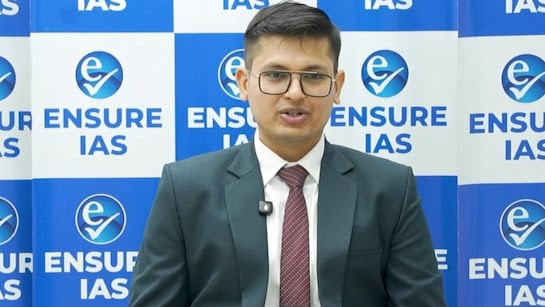
The Union Public Service Commission (UPSC) has officially declared the final results of the Civil Services Examination (CSE) 2025, recommending 958 candidates for appointment to India’s most prestigious administrative and civil service positions. Topping the examination is Anuj Agnihotri, a medical professional from Kota, who secured All India Rank (AIR) 1. Rajeshwari Suve M and Akanksha Dhull achieved the second and third ranks, respectively. The annual examination is widely regarded as one of the most competitive recruitment processes in the world. The results not only highlight individual academic excellence but also underscore the rigorous selection mechanism that feeds talent into India’s governance and administrative framework.
UPSC Announces Final List of Successful Candidates
The Union Public Service Commission released the final merit list for the Civil Services Examination 2025 after completing the multi-stage selection process, which includes the preliminary examination, the main written examination, and the personality test.
According to official figures, a total of 958 candidates have been recommended for appointment across several key government services. These include the Indian Administrative Service (IAS), Indian Foreign Service (IFS), Indian Police Service (IPS), and various Central Services categorized under Group ‘A’ and Group ‘B’.
The civil services examination remains a critical gateway to leadership roles in India’s public administration system. Each year, thousands of aspirants compete for a limited number of positions that offer significant responsibility in shaping national policy, governance, and public welfare.
Anuj Agnihotri Tops the Prestigious Examination
Leading the merit list this year is Anuj Agnihotri from Kota, Rajasthan, who achieved All India Rank 1. A trained doctor by profession, Agnihotri’s success reflects the increasingly diverse academic backgrounds of candidates entering India’s civil services.
Experts often note that candidates with professional degrees, particularly in fields such as medicine and engineering, bring analytical skills and structured problem-solving approaches that can be valuable in administrative decision-making.
Agnihotri’s achievement has drawn widespread attention, particularly in Kota, a city already known for its intense academic culture and competitive examination preparation ecosystem.
Top Performers in the 2025 Examination
The second position in the merit list has been secured by Rajeshwari Suve M, while Akanksha Dhull has achieved the third rank. Both candidates demonstrated exceptional performance across the written examination and personality test stages.
The top ranks in the UPSC examination often represent years of disciplined preparation, extensive subject knowledge, and a strong understanding of national and global governance issues.
For many aspirants, achieving a top rank not only ensures entry into elite services such as the IAS or IFS but also opens opportunities to influence policy and administrative reforms at the highest levels.
Understanding the UPSC Selection Process
The Civil Services Examination is conducted annually and is widely recognized as one of the toughest competitive examinations globally. The selection process is divided into three stages designed to evaluate both intellectual ability and administrative aptitude.
The preliminary examination acts as a screening test, followed by the main examination, which assesses candidates through a series of descriptive papers covering subjects such as governance, economics, ethics, and international relations.
The final stage, known as the personality test or interview, evaluates leadership qualities, decision-making abilities, and the candidate’s overall suitability for public service roles.
This comprehensive evaluation framework ensures that only the most capable and balanced individuals enter India’s administrative system.
Role of Civil Services in India’s Governance Structure
The officers selected through the UPSC examination form the backbone of India’s governance architecture. Members of the Indian Administrative Service oversee policy implementation and district administration, while officers of the Indian Police Service are responsible for law enforcement and internal security.
Similarly, the Indian Foreign Service represents India’s diplomatic interests across the globe. Officers appointed to other central services handle critical responsibilities in taxation, revenue administration, infrastructure development, and economic regulation.
Given the scale and complexity of India’s governance needs, the selection of capable civil servants is considered essential for maintaining administrative efficiency and national development.
Growing Aspirations Among India’s Youth
The announcement of UPSC results often generates nationwide interest, as the examination symbolizes both academic achievement and public service commitment. For many young Indians, entering the civil services remains a prestigious career path associated with leadership, social impact, and national contribution.
Coaching hubs such as Delhi, Hyderabad, and Kota continue to attract thousands of aspirants each year, reflecting the enduring appeal of the civil services as a platform for meaningful change.
As the newly selected candidates prepare to begin their training at national administrative academies, the results of the Civil Services Examination 2025 once again reaffirm the importance of merit-based recruitment in strengthening India’s governance institutions.