Yumnam Khemchand Singh Sworn In as Chief Minister of Manipur
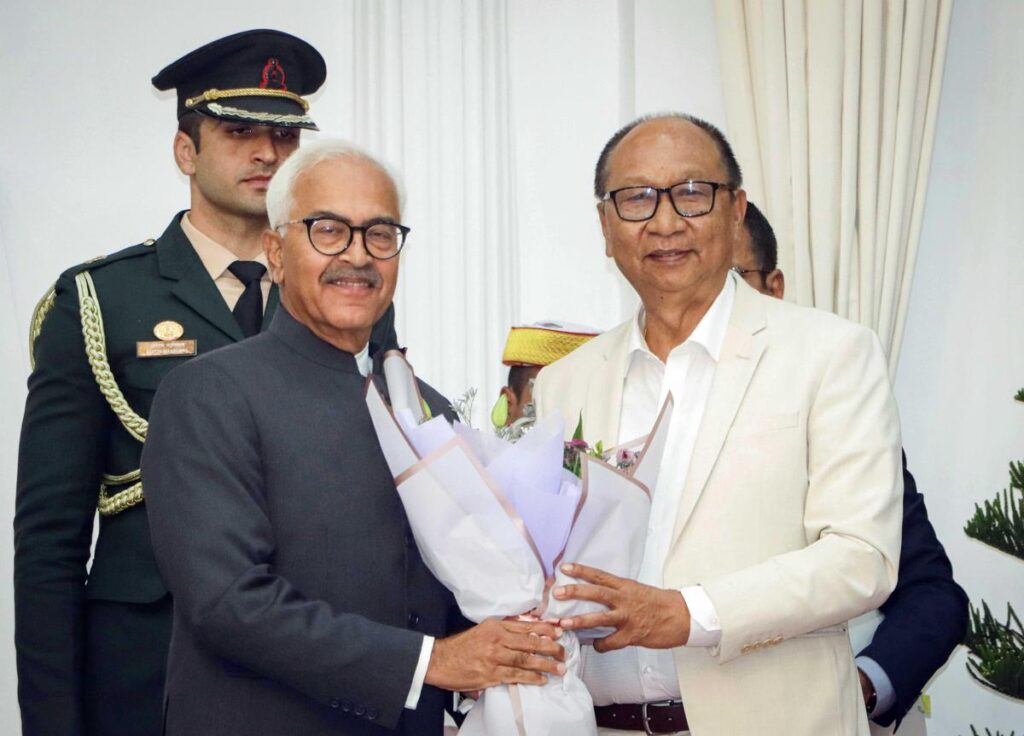
Yumnam Khemchand Singh formally assumed office as the Chief Minister of Manipur, marking a significant political development in the northeastern state. The swearing-in ceremony signals the beginning of a new administrative phase focused on governance stability, economic progress, and social cohesion. Singh takes charge at a time when Manipur faces critical challenges, including infrastructure development, employment generation, and restoring investor confidence. Political observers note that his leadership will be closely watched for policy direction and administrative reforms. The transition is expected to influence both regional political dynamics and economic planning, with stakeholders anticipating a renewed emphasis on growth-oriented governance and institutional stability.
Leadership Transition in Manipur
The oath-taking ceremony of Yumnam Khemchand Singh marks a pivotal shift in Manipur’s political landscape. His appointment comes amid heightened public attention toward governance, law and order, and long-term development strategies. The new administration inherits a complex socio-political environment, making stability and decisive leadership key priorities.
Political analysts suggest that Singh’s experience in public administration may shape a more structured approach to state management, with an emphasis on transparency and accountability. His leadership style will likely be tested in addressing both immediate administrative challenges and broader development goals.
Economic and Development Priorities
Economic revitalization is expected to be central to the new Chief Minister’s agenda. Manipur’s economy, largely driven by agriculture, small enterprises, and border trade, requires renewed policy focus to unlock growth potential. Strengthening infrastructure, improving connectivity, and encouraging private investment are anticipated to be among the administration’s early priorities.
Investors and business leaders will be monitoring signals related to industrial policy, ease of doing business, and regulatory clarity. Enhanced public spending on infrastructure projects could stimulate employment while creating multiplier effects across sectors such as logistics, construction, and services.
Governance and Policy Outlook
Governance reforms are likely to form a key pillar of Singh’s tenure. Observers expect efforts to streamline administrative processes and improve delivery of public services. Digital governance initiatives, financial discipline, and welfare program efficiency could play a role in shaping the state’s policy narrative over the coming months.
In addition, maintaining social harmony and strengthening institutional credibility remain critical. Balanced policy execution will be necessary to ensure that development initiatives reach grassroots levels without exacerbating regional disparities.
Political and Regional Implications
The leadership change may also influence political alignments within the region. Manipur holds strategic importance in India’s northeastern development framework, particularly in cross-border trade and infrastructure corridors. The new government’s stance on regional cooperation and central policy alignment will likely shape the state’s economic trajectory.
Stakeholders believe that consistent governance and investor-friendly policies could help Manipur attract greater public and private capital flows, strengthening its role in regional economic integration.
The Road Ahead
Yumnam Khemchand Singh’s swearing-in signals both continuity and the possibility of reform. While challenges remain, the transition offers an opportunity to redefine Manipur’s development narrative through pragmatic governance and economic foresight. The coming months will determine how effectively the administration balances political stability with sustainable growth, setting the tone for the state’s long-term progress.