Two Senior Bureaucrats Suspended Amid Delays in Smartphone Procurement for Anganwadi Workers
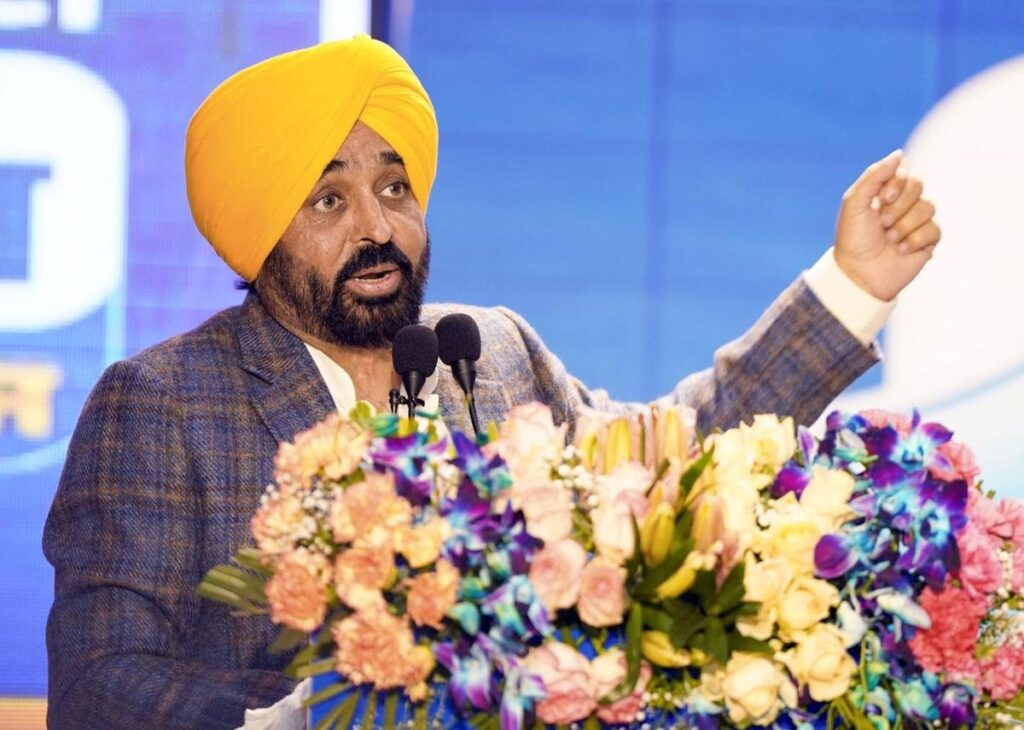
Two senior civil servants, Kamal Kishore Yadav and Jaspreet Singh, have been suspended following alleged administrative lapses linked to a prolonged delay in procuring smartphones for Anganwadi workers under the Union Government’s Mission Saksham Anganwadi initiative. While official suspension orders did not specify the reasons, sources indicate the action relates to a six-year delay that prompted legal intervention by the selected vendor. The matter has also led to the transfer of two additional IAS officers, including Vikas Pratap. The episode raises questions about bureaucratic accountability, procurement efficiency and the implementation of technology-driven welfare reforms.
Administrative Action and Official Orders
In a significant bureaucratic reshuffle, the government has suspended IAS officers Kamal Kishore Yadav and Jaspreet Singh. The suspension orders, issued through official channels, did not elaborate on the grounds for disciplinary action.
However, individuals familiar with the matter indicated that the decision is tied to delays in implementing a centrally sponsored welfare initiative involving digital enablement of Anganwadi workers. The action underscores increasing scrutiny of administrative efficiency, particularly in schemes linked to technology deployment and grassroots governance.
Kamal Kishore Yadav, a 2003-batch IAS officer, was serving as the administrative secretary of the Department of Industries and Commerce, Investment Promotion and Information Technology at the time of suspension.
Six-Year Delay in Smartphone Procurement
At the center of the controversy is a reported six-year delay in procuring smartphones intended for Anganwadi workers under Mission Saksham Anganwadi, a flagship initiative aimed at strengthening early childhood care, nutrition monitoring and service delivery through digital tools.
The distribution of smartphones was designed to enhance data collection, beneficiary tracking and real-time monitoring of welfare programs. The delay, according to sources, hindered operational efficiency and slowed the digital transformation envisioned under the scheme.
The prolonged procurement process is said to have triggered legal proceedings, with the selected vendor approaching the court over the pending implementation.
Vendor Dispute and Legal Escalation
Sources familiar with the case indicated that the empaneled vendor sought judicial recourse after facing prolonged uncertainty in execution. While specific financial figures were not disclosed, procurement contracts of this scale typically involve substantial public expenditure and logistical coordination.
Such disputes not only delay public service delivery but may also expose administrative systems to compliance risks and reputational damage. Legal intervention in procurement matters often prompts internal reviews, particularly when flagship social programs are involved.
The episode reflects broader challenges in public procurement frameworks, including coordination gaps, approval bottlenecks and procedural complexities.
Transfers Signal Wider Administrative Impact
In addition to the suspensions, two other IAS officers have reportedly been transferred in connection with the matter. Among them is Vikas Pratap, who had been serving as Additional Chief Secretary for Social Security.
The transfers suggest that the government is seeking structural accountability beyond individual suspensions. Administrative reshuffles in such cases are often aimed at restoring operational momentum and reinforcing oversight mechanisms within key departments.
Observers note that high-level transfers can serve as both corrective and preventive measures, signaling the government’s intent to expedite pending initiatives.
Governance, Technology and Public Accountability
Mission Saksham Anganwadi represents a critical pillar of India’s welfare architecture, integrating digital tools into grassroots service delivery. The timely provision of smartphones to Anganwadi workers is central to improving nutrition tracking, beneficiary databases and performance metrics.
Delays of this magnitude highlight the tension between policy ambition and bureaucratic execution. As governments increasingly rely on digital infrastructure to implement welfare programs, procurement efficiency and administrative coordination become indispensable.
From a governance perspective, the suspensions underscore a tightening of accountability standards. In an era of data-driven public administration, operational lapses in technology rollouts can have cascading effects on service outcomes and public trust.
Conclusion
The suspension of Kamal Kishore Yadav and Jaspreet Singh marks a notable development in the administration of welfare-linked digital initiatives. While the official orders remain silent on specific grounds, the broader context points to systemic challenges in executing large-scale procurement projects.
As India accelerates its digital governance agenda, ensuring timely implementation and transparent oversight will be critical. The outcome of this episode may shape future administrative protocols, particularly in high-stakes public welfare programs that rely on technological integration to deliver measurable impact.