Lohri 2026: Celebrating Harvest, Hope, and Togetherness Across India
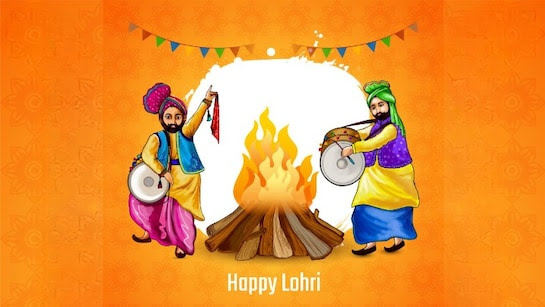
Lohri 2026 arrives as a vibrant celebration of harvest, gratitude, and new beginnings, marking the end of winter and the onset of longer days. Deeply rooted in North Indian tradition, the festival brings families and communities together around bonfires, folk songs, and shared rituals. As people exchange wishes, quotes, and messages, Lohri reflects values of unity, prosperity, and renewal. Beyond its cultural symbolism, the festival also carries social significance, reinforcing bonds across generations. In an increasingly digital age, Lohri greetings have evolved, blending tradition with modern expressions while preserving the festival’s enduring spirit of warmth and optimism.
The Cultural Significance of Lohri
Lohri is traditionally celebrated in Punjab, Haryana, Himachal Pradesh, and parts of North India, coinciding with the agricultural cycle and the rabi crop harvest. The bonfire, central to the festivities, symbolizes the sun’s energy and gratitude for abundance. Ritual offerings such as peanuts, revri, and popcorn are shared as expressions of collective prosperity and goodwill.
Traditions That Bind Communities
The festival is marked by folk songs, the iconic Lohri dance, and community gatherings that transcend age and social boundaries. For newlyweds and families welcoming newborns, Lohri holds special meaning, symbolizing blessings, fertility, and continuity. These customs reinforce social cohesion and cultural identity in a rapidly changing society.
Lohri Wishes in a Modern Context
In 2026, Lohri greetings have expanded beyond physical gatherings. Digital messages, quotes, and personalized notes now complement traditional celebrations, allowing people to connect across distances. Despite changing modes of expression, the essence of Lohri—sharing joy, warmth, and hope—remains unchanged.
Thoughtful Lohri Wishes and Messages
Messages shared during Lohri often emphasize prosperity, happiness, and good health. Simple yet meaningful words reflect gratitude for the past year and optimism for the future, making them a powerful medium of emotional connection among family and friends.
Conclusion
Lohri 2026 stands as a reminder of India’s rich cultural heritage and the timeless importance of togetherness. As families gather around the bonfire or exchange warm wishes from afar, the festival continues to celebrate resilience, renewal, and shared joy. In both traditional and modern forms, Lohri remains a heartfelt expression of hope, prosperity, and community spirit.