Nationwide Devotion Marks Maha Shivratri as Millions Throng Shiva Temples
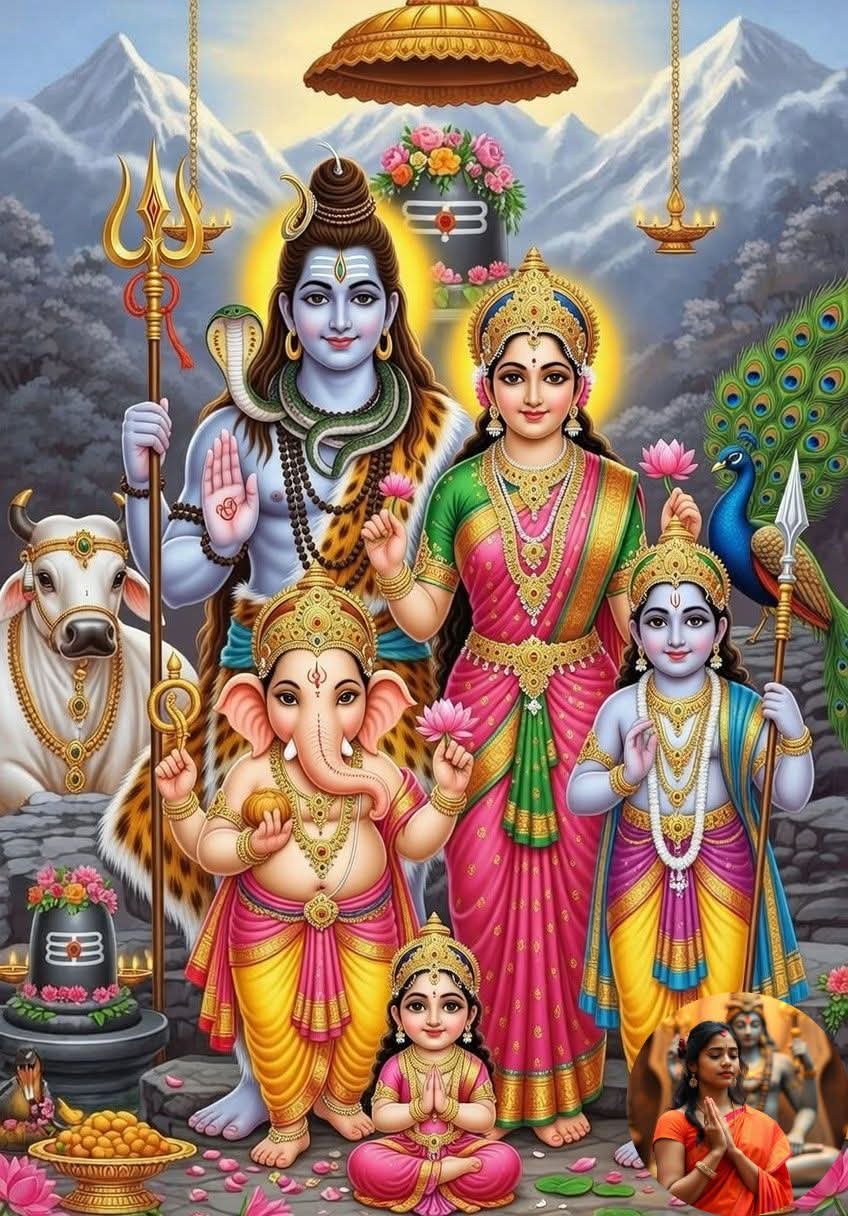
Devotees across India gathered in overwhelming numbers to celebrate Maha Shivratri, one of Hinduism’s most revered festivals dedicated to Lord Shiva. From the national capital to the Himalayan valley and western India’s temple towns, long queues formed outside prominent shrines as worshippers offered prayers, performed rituals and observed fasts. Major temples, including Shankaracharya Temple, Kashi Vishwanath Temple and Bhavnath Mahadev Temple, reported heavy footfall. Authorities implemented extensive security and crowd management measures, underscoring the festival’s spiritual significance and its socio-economic impact across regions.
A Night of Faith and Spiritual Reflection
Maha Shivratri, literally translating to the “Great Night of Shiva,” holds profound spiritual importance in Hindu tradition. The festival commemorates the cosmic dance of Lord Shiva and symbolizes devotion, self-discipline and inner transformation.
Across urban and rural India, temples opened their doors before dawn, with worshippers lining up to perform “jal abhishek,” the ritual offering of water and milk to the Shiva lingam. Many devotees observed day-long fasts and participated in night vigils, reflecting the festival’s emphasis on meditation and spiritual awakening.
Massive Gatherings at Prominent Shrines
In northern India, the historic Shankaracharya Temple in Srinagar witnessed an uninterrupted stream of pilgrims despite early morning chill. Security personnel were deployed in significant numbers to ensure orderly movement and maintain safety protocols.
In Varanasi, one of Hinduism’s holiest cities, the Kashi Vishwanath Temple experienced particularly high turnout. The temple complex implemented crowd-control barricades and extended darshan hours to accommodate the influx. Local authorities coordinated with civic agencies to manage traffic and sanitation around the temple precincts.
Further west, Gujarat’s Bhavnath Mahadev Temple, located near the Girnar hills, also saw thousands of devotees gather for prayers. The temple has long been a focal point of Maha Shivratri observances in the region.
Economic Ripple Effects
Beyond its spiritual dimension, Maha Shivratri generates measurable economic activity. Vendors selling flowers, offerings, sweets and devotional items reported brisk business. Hospitality providers, including small hotels and eateries near temple towns, experienced a surge in occupancy and footfall.
Transportation services, from local rickshaws to intercity buses, recorded higher demand as pilgrims traveled to major religious centers. For many local economies, large religious gatherings provide seasonal revenue that supports livelihoods in informal sectors.
Administrative Preparedness and Public Safety
State administrations deployed additional police forces, medical teams and disaster response units to manage the scale of the gatherings. Surveillance systems and public address mechanisms were utilized to prevent overcrowding and ensure smooth movement within temple premises.
Officials emphasized adherence to safety norms while facilitating uninterrupted worship. Crowd management strategies have evolved significantly in recent years, reflecting lessons learned from past large-scale religious events.
Cultural Continuity in a Modern India
Maha Shivratri continues to demonstrate the enduring relevance of faith in contemporary Indian society. Even as urbanization and digital connectivity reshape lifestyles, traditional observances retain strong resonance across generations.
Religious festivals of this magnitude serve not only as spiritual milestones but also as expressions of cultural continuity and social cohesion. The convergence of millions at temples across diverse geographies underscores a shared civilizational heritage that transcends regional boundaries.
Conclusion
The widespread observance of Maha Shivratri this year reaffirmed its status as one of India’s most significant religious festivals. From Srinagar to Varanasi and Gujarat, temples witnessed extraordinary participation, reflecting deep-rooted devotion and communal harmony.