Diplomacy in Decline: India–Pakistan Cricket Rivalry Turns Cold Off the Field
The storied cricket rivalry between India and Pakistan took on a visibly political tone during their Asia Cup encounter in Dubai in September 2025, as tensions extended well beyond the boundary line. Traditional displays of sportsmanship were conspicuously absent, reflecting strained bilateral relations following recent security developments. From a frosty toss ceremony to a symbolic refusal at the trophy presentation, India’s actions signaled a deliberate stance rather than spontaneous emotion. The episode underscores how geopolitics continues to influence high-profile sporting events, reshaping long-standing customs and igniting debate over the intersection of diplomacy, protest, and international cricket.
A Match Overshadowed by Politics
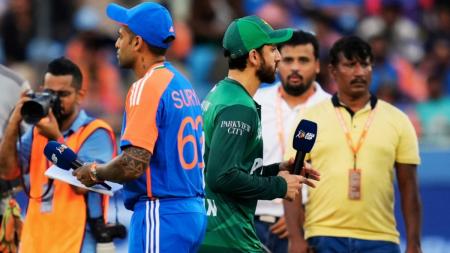
The India–Pakistan Asia Cup clash in September 2025 was marked as much by off-field tension as by on-field competition. Observers noted a clear departure from cricketing norms even before the first ball was bowled. At the toss, Indian captain Suryakumar Yadav and Pakistan skipper Salman Ali Agha avoided eye contact, and the customary handshake was absent. The moment set the tone for a contest played against a backdrop of heightened political sensitivity.
Celebration Without Camaraderie
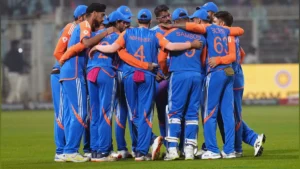
India’s five-wicket victory was celebrated enthusiastically within the team, with players exchanging hugs and high-fives. However, there was a complete lack of interaction with the Pakistani side after the match. The usual gestures that signify mutual respect between competitors were notably missing, reinforcing the perception that this was more than just a sporting rivalry.
A Deliberate Protest Strategy
India’s decision to forgo handshakes throughout the tournament was not incidental. It was widely interpreted as a symbolic protest following the Pahalgam terror attack and as an expression of solidarity with Operation Sindoor. This approach was consistently maintained across multiple events, including the senior men’s Asia Cup, the women’s ODI World Cup, the Rising Stars Asia Cup T20, and Under-19 Asia Cup fixtures. The uniformity of the stance suggested an institutional decision rather than individual choice.
Trophy Ceremony Sends a Strong Signal
The tension reached its peak during the final presentation ceremony on September 28, 2025. After clinching the title, the Indian team declined to accept the trophy from Asian Cricket Council Chairman Mohsin Raza Naqvi, who also serves as Pakistan’s interior minister. The moment drew sharp reactions, with supporters viewing it as a principled stand, while critics questioned the appropriateness of political messaging on a sporting stage.
Controversy Beyond the Boundary
Adding to the discourse, a hospitality-related advertisement from the Pakistan side during the tournament sparked renewed debate, further polarizing opinions. The episode highlighted how even peripheral elements of international sporting events can become flashpoints when political relations are strained.
Cricket at a Crossroads
The Dubai encounter illustrated how deeply geopolitics can permeate sport, especially in high-stakes rivalries like India versus Pakistan. While cricket has historically served as a bridge between the two nations, recent developments suggest that the game is increasingly becoming a mirror of broader diplomatic realities. Whether this marks a temporary phase or a lasting shift in sporting conduct remains an open question, but the message from September 2025 was unmistakably clear: the rivalry now extends far beyond the pitch.