ICC T20 World Cup Final Sets Historic Streaming Record as India Clinches Third Title
The ICC Men’s T20 World Cup final delivered a historic moment both on and off the field, as digital streaming viewership surged to unprecedented levels. The match witnessed record-breaking concurrent viewership on the streaming platform JioHotstar, reflecting the massive global appeal of cricket and India’s dominance in the sport. With India securing a commanding victory against New Zealand, the final attracted hundreds of millions of viewers, highlighting the growing power of digital sports broadcasting. The event not only underscored the nation’s sporting triumph but also demonstrated the rapid expansion of India’s streaming economy and the commercial value of premium sports content.
A Historic Night for Cricket and Digital Broadcasting
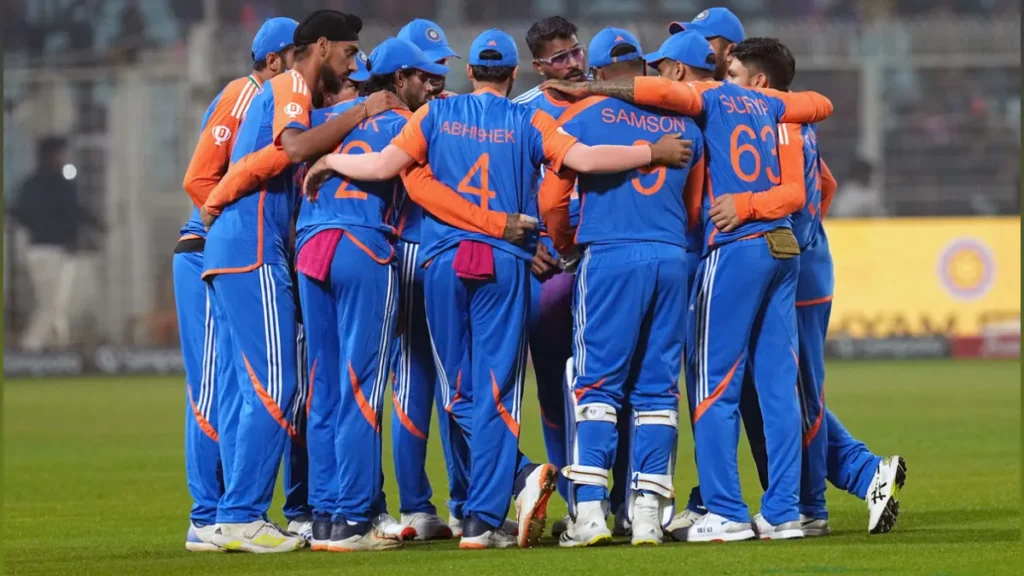
The final of the ICC Men’s T20 World Cup created history not only for Indian cricket but also for the rapidly evolving digital media landscape. As India defeated New Zealand to secure its third T20 World Cup title, millions of fans across the country and beyond tuned in online, driving record-breaking concurrent viewership figures on the streaming platform JioHotstar.
The match concluded with India registering a commanding 96-run victory after dismissing New Zealand in the 19th over. At the precise moment the final wicket fell, the streaming platform recorded a peak concurrent audience of approximately 74.5 crore viewers. The numbers rose even further during the post-match presentation ceremony, reaching around 79.1 crore viewers.
These figures mark one of the highest digital viewership milestones ever recorded for a live sporting event.
India’s Third T20 World Cup Triumph
Beyond the streaming milestone, the match carried significant sporting importance. India’s victory marked the country’s third T20 World Cup title, further cementing its dominance in the shortest format of international cricket.
The triumph also carried historic significance as India became the first nation to win the T20 World Cup on home soil. The emphatic margin of victory reflected both the strength of the Indian squad and the growing competitiveness of the country’s cricketing ecosystem.
For millions of fans, the victory represented a moment of national pride, celebrated across stadiums, homes, and digital platforms.
Digital Viewership Builds Momentum Throughout the Event
The record-breaking numbers were not achieved instantly but built steadily as the event progressed.
Prior to the start of the match, online viewership began gathering momentum during the pre-match entertainment segment. When international singer Ricky Martin performed before the game, the platform recorded approximately 2.1 crore concurrent viewers.
The numbers continued to climb as the toss approached, reaching around 4.2 crore viewers. As the match unfolded and excitement intensified, viewership surged dramatically, culminating in the record-breaking figures recorded during the final moments of the game.
This steady rise highlights the growing habit of fans consuming live sports through digital platforms rather than traditional television broadcasts.
The Rise of India’s Digital Sports Economy
The extraordinary viewership figures reflect the rapid expansion of India’s digital entertainment ecosystem. High-speed mobile internet, affordable data plans, and the widespread adoption of smartphones have transformed the way audiences engage with live sporting events.
India has emerged as one of the world’s largest markets for online streaming, with sports content playing a pivotal role in driving subscriber growth and advertising revenues.
Major tournaments such as the T20 World Cup have become powerful catalysts for digital engagement, attracting millions of viewers simultaneously and creating enormous commercial opportunities for streaming platforms.
Advertising and Commercial Impact
Record-breaking viewership during marquee sporting events often translates into substantial advertising revenues and brand visibility.
For advertisers, live sports events provide one of the few opportunities to reach massive audiences simultaneously. The scale of the viewership witnessed during the T20 World Cup final underscores the economic significance of premium sports broadcasting rights.
Digital platforms hosting such events benefit not only from subscription growth but also from increased advertising demand, sponsorship deals, and long-term user engagement.
As the sports media market becomes increasingly competitive, high-profile tournaments are likely to play an even greater role in shaping the economics of digital entertainment.
India’s Central Role in Global Cricket Viewership
India has long been recognized as the largest consumer market for cricket. The sport enjoys deep cultural resonance across the country, making international tournaments highly anticipated national events.
The scale of viewership during the T20 World Cup final further reinforces India’s importance to the global cricket economy. Broadcasters, advertisers, and sports governing bodies increasingly rely on Indian audiences to drive the commercial success of international tournaments.
This dynamic has influenced scheduling decisions, broadcasting strategies, and sponsorship models within the sport.
Future of Sports Streaming in India
The record-breaking digital viewership during the T20 World Cup final signals a broader transformation in the sports broadcasting industry. Streaming platforms are rapidly becoming the primary medium for live sports consumption, particularly among younger audiences.
Technological advancements such as adaptive streaming, multi-camera viewing options, and interactive features are further enhancing the digital viewing experience.
As infrastructure continues to improve and internet penetration expands, India’s digital sports audience is expected to grow even further in the coming years.
Conclusion
The ICC Men’s T20 World Cup final will be remembered as a landmark moment in both cricketing history and digital media evolution. India’s emphatic victory over New Zealand delivered sporting glory, while the unprecedented streaming viewership highlighted the extraordinary reach of modern digital platforms.
With concurrent audiences reaching nearly 80 crore viewers during the post-match celebrations, the event demonstrated the immense commercial and cultural power of live sports in the digital age. As streaming technology continues to reshape media consumption patterns, such milestones are likely to become defining moments in the future of global sports broadcasting.