Apple Signals Major Shift as iPhone 17 Series Drops Long-Standing Camera Feature
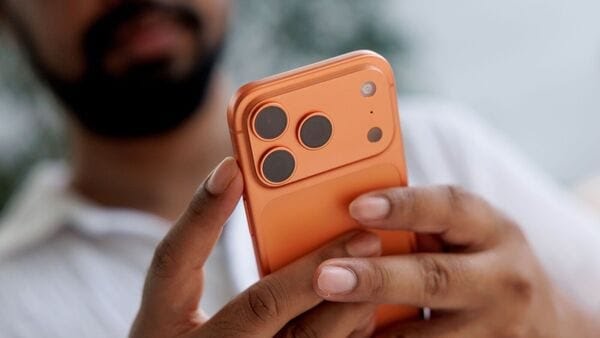
Apple has quietly indicated that the upcoming iPhone 17 series will discontinue a camera feature that has been part of its flagship lineup since the iPhone 12 Pro era, marking a notable shift in the company’s imaging strategy. While the brand continues to strengthen its position in the premium smartphone market, this decision raises questions about Apple’s evolving priorities in hardware design, sensor integration, and computational photography. The move suggests a broader realignment focused on efficiency, form factor, and next-generation imaging technologies. Industry analysts believe the omission could signal the introduction of alternative capabilities designed to reshape future iPhone photography experiences.
A Subtle Confirmation From Apple
Apple appears to have quietly acknowledged that the iPhone 17 series will no longer include a previously standard camera feature—one that debuted with the iPhone 12 Pro and remained integral across multiple generations. Although the company has not highlighted this change publicly, internal specifications and development notes reportedly signal its removal. This adjustment marks a strategic detour for Apple, which has traditionally relied on incremental improvements to maintain consistency across its camera systems.
The silence surrounding this shift suggests Apple may be repositioning its priorities as it prepares for a new era of imaging technology.
A Feature With a Long History
The feature in question had been introduced as part of Apple’s efforts to strengthen low-light capability, depth mapping, and subject tracking. Over time, it became a defining part of the Pro lineup’s photographic identity. The iPhone 12 Pro set a precedent by combining advanced hardware with Apple’s computational photography engine, driving significant gains in accuracy and scene recognition.
Its removal from the iPhone 17 indicates that Apple may have concluded that the technology had reached its functional limits or that alternative solutions now provide better performance.
Industry Analysis: Why Apple Might Be Changing Direction
From a technical standpoint, Apple’s decision could be explained by several factors. Advancements in sensor technology, reductions in module thickness, and the increasing dominance of AI-driven imaging may have reduced the feature’s utility. Apple’s long-term product strategy also favors streamlined hardware designs aimed at improving energy efficiency, weight distribution, and optical performance.
Analysts believe the shift could pave the way for more advanced sensor formats, next-generation periscope systems, or software-based depth solutions driven by Apple Intelligence.
Possible Implications for Users
For consumers, the absence of this camera component may not translate into a perceptible downgrade. Apple is known for integrating new alternatives before discontinuing older components, often maintaining or even enhancing overall camera output through computational enhancements.
The company’s increasing focus on AI-powered photography—ranging from scene optimization to object segmentation—suggests that future iPhones will rely more heavily on processing power rather than specialized hardware.
Positioning the iPhone 17 Series for the Future
The iPhone 17 lineup is expected to represent a more significant evolutionary step for Apple, with rumors indicating a redesigned chassis, improved battery efficiency, and enhanced thermal management. Dropping this long-standing camera feature appears to be part of a broader strategy emphasizing lighter designs, faster image pipelines, and deeper integration between Apple’s new AI models and its imaging system.
In many ways, the move underscores the company’s confidence in its computational ecosystem—one that increasingly defines how modern smartphones capture and process images.
A Calculated Move in a Shifting Market
As Apple prepares for the next generation of flagship devices, the quiet removal of a once-essential camera component reflects the broader direction of the smartphone industry. Hardware continues to evolve, but software—and especially AI—now plays an equally defining role in shaping user experience.
Whether this change proves controversial or inconsequential will ultimately depend on how effectively Apple compensates with newer innovations. For now, the announcement serves as another reminder of Apple’s willingness to disrupt its own playbook in pursuit of long-term technological transformation.