Apple’s “MacBook Neo” Leak Points to Budget Laptop Powered by iPhone-Class Chip
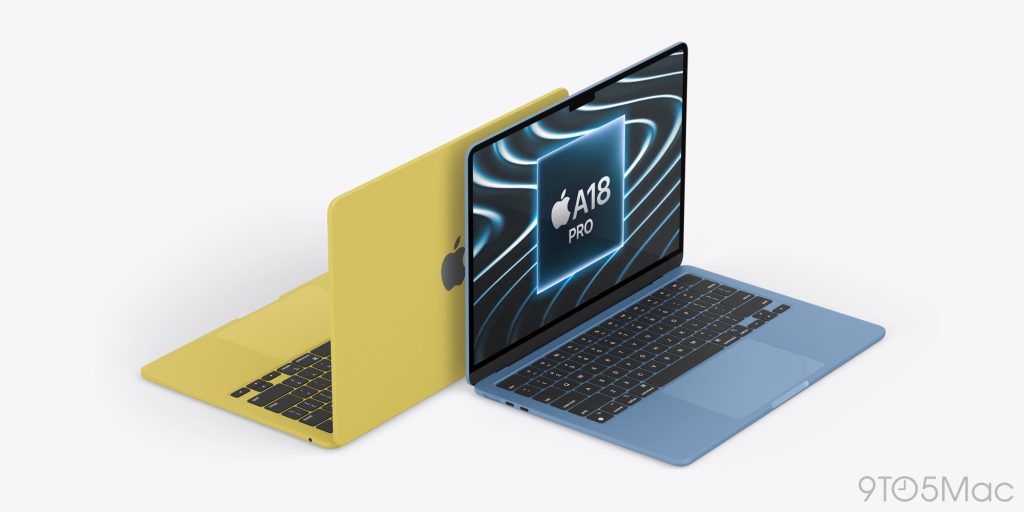
A regulatory filing has reportedly revealed the name “MacBook Neo,” suggesting Apple may be preparing to launch a lower-cost laptop powered by an iPhone-derived chip. The model reference, briefly visible before being withdrawn, hints at a product positioned below the MacBook Air in performance and price. If accurate, the device would represent a notable strategic pivot — leveraging Apple’s mobile silicon architecture to expand its footprint in the entry-level laptop segment. The “Neo” branding signals differentiation rather than iteration, potentially marking the debut of a new sub-category within Apple’s computing portfolio.
Regulatory Disclosure Hints at New Product Line
A regulatory document referencing an unreleased device identified as “MacBook Neo (Model A3404)” has surfaced, fueling speculation that Apple is preparing to introduce an entirely new laptop tier. Although the listing was reportedly removed, its brief appearance has prompted widespread industry discussion.
Product names embedded in compliance filings often precede official launches, making such disclosures credible indicators of forthcoming hardware. If confirmed, the MacBook Neo would represent the first Apple notebook to run on a chip architecture derived directly from the iPhone lineup rather than the company’s established M-series processors.
This would signal a strategic extension of Apple’s silicon ecosystem.
A Deliberate Brand Distinction
The proposed “Neo” nomenclature appears carefully chosen. Historically, Apple has used minimalist branding conventions, including “MacBook,” “MacBook Air,” and “MacBook Pro.” The addition of “Neo” would differentiate the product without diluting existing tiers.
Positioned beneath the MacBook Air, the device could target price-sensitive consumers such as students and first-time laptop buyers. The naming also suggests a fresh category rather than a simplified variant of existing models.
In branding terms, “Neo” conveys newness and reinvention — an appropriate label if Apple is redefining entry-level computing through mobile-class silicon.
Leveraging iPhone Silicon for Cost Efficiency
At the center of the speculation is the possibility that the MacBook Neo will be powered by a processor traditionally used in high-end iPhones. Apple’s A-series chips have consistently demonstrated strong single-core performance and energy efficiency.
Deploying such a chip in a notebook would offer several advantages:
Lower production costs relative to M-series chips
Extended battery life
Passive cooling capabilities
Lightweight chassis design
However, performance limitations compared with M-series laptops would position the device clearly within the entry-level category.
This move could enable Apple to expand market share without eroding premium pricing on higher-tier products.
Competitive Implications in the Entry-Level Segment
The global laptop market remains intensely competitive, particularly in the sub-premium category dominated by Windows-based devices and Chromebooks. By introducing a lower-cost MacBook variant, Apple could strengthen its presence among budget-conscious consumers while maintaining ecosystem integration across iOS and macOS platforms.
If pricing is strategically calibrated — potentially significantly below existing MacBook Air models — the Neo could attract new demographics without cannibalizing higher-margin offerings.
Such segmentation reflects a nuanced understanding of price elasticity and brand hierarchy.
Product Strategy and Ecosystem Synergy
Apple’s long-term hardware strategy has increasingly revolved around vertical integration. Extending iPhone-class silicon into a MacBook would reinforce architectural unification across devices.
Shared app compatibility, development frameworks and power efficiency optimizations could create seamless user transitions between iPhone and Mac ecosystems.
Interestingly, Apple recently introduced a new product carrying the “Neo” label in a different category, signaling openness to expanding this sub-brand concept.
Outlook: Expanding the Apple Portfolio
If the MacBook Neo materializes, it may mark one of Apple’s most consequential product repositionings in recent years. Introducing a budget-friendly Mac powered by mobile silicon would broaden accessibility while preserving differentiation within the premium lineup.
The strategic calculus appears clear: capture incremental demand without compromising flagship positioning.
Until formal confirmation emerges, the MacBook Neo remains speculative. Yet the leak has already reframed expectations about how Apple may approach the next phase of computing affordability.