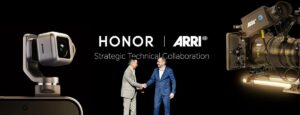
Honor Unveils Robotic Camera Smartphone and Teases Humanoid Robot at Global Tech Showcase
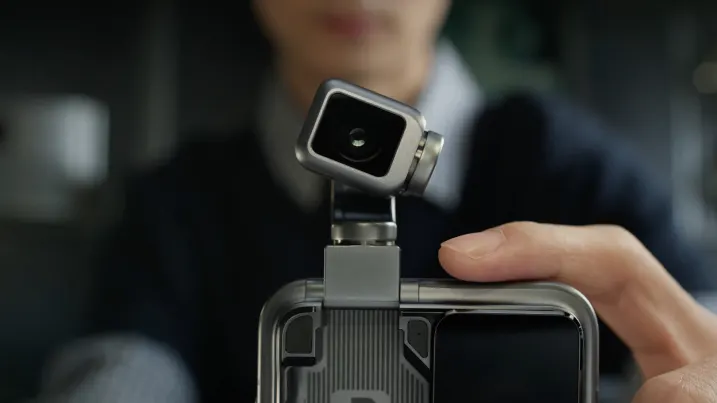
Chinese smartphone maker Honor introduced a concept device featuring a robotic camera arm and previewed a humanoid robot at the Mobile World Congress in Barcelona, signaling its ambition to differentiate itself in a fiercely competitive global market. The company also launched the Magic V6 foldable smartphone amid mounting supply chain pressures and surging memory chip prices. As smartphone makers brace for higher component costs in 2026, Honor’s showcase underscores a strategic pivot toward hardware innovation and ecosystem expansion, positioning the firm to compete more aggressively with industry leaders.
Innovation as Competitive Strategy
At the annual Mobile World Congress in Barcelona, Honor demonstrated a prototype smartphone equipped with a motorized robotic camera module. The device, informally referred to as the “Robot Phone,” features a mechanical arm that extends outward from the handset, enabling dynamic camera positioning and stabilized video capture.
The design appears to draw inspiration from modular camera systems typically found in professional-grade videography equipment. By integrating such functionality into a smartphone form factor, Honor is attempting to redefine mobile imaging capabilities and appeal to content creators seeking greater versatility.
The move highlights an intensifying race among handset manufacturers to differentiate through hardware innovation rather than incremental software upgrades.
Expanding Beyond Conventional Smartphones
Alongside the robotic concept device, Honor launched the Magic V6, its latest foldable smartphone. Foldable devices remain a premium segment of the market, often commanding higher margins and serving as brand showcases for engineering prowess.
Honor, which was spun off from Huawei in 2020, has sought to reposition itself as an independent global competitor. The Magic V6 underscores this ambition, combining advanced hinge technology, high-resolution displays and flagship-grade processors.
The company’s strategy reflects a broader industry shift toward ecosystem integration — where smartphones serve as central hubs for emerging devices, including robotics and artificial intelligence-enabled hardware.
Teasing a Humanoid Robot
In addition to the smartphone announcements, Honor briefly introduced a humanoid robot prototype, offering limited technical details. The teaser suggests a longer-term ambition to expand beyond consumer electronics into advanced robotics.
While specifics regarding functionality, commercial timeline or partnerships remain unclear, the reveal signals a willingness to experiment at the intersection of mobile computing and embodied AI systems.
Industry observers note that smartphone brands increasingly view robotics and AI as adjacent growth verticals, particularly as handset demand matures in saturated markets.
Market Pressures and Cost Dynamics
The product announcements come at a challenging time for device manufacturers. Global memory chip shortages and price volatility have placed upward pressure on component costs. Analysts expect these dynamics to translate into higher retail prices across flagship smartphone categories in 2026.
Rising semiconductor costs could compress margins or dampen consumer demand, particularly in price-sensitive markets. In this context, Honor’s emphasis on distinctive hardware features may serve as a hedge against commoditization.
By offering differentiated capabilities — such as robotic imaging modules — the company may justify premium pricing while strengthening brand identity.
Competing in a Consolidated Market
Honor faces formidable rivals, including Samsung and Apple, both of which dominate global smartphone market share and invest heavily in research and development.
To remain competitive, emerging brands must balance innovation with operational efficiency. Honor’s public demonstrations signal confidence in its engineering pipeline and a desire to capture attention in a crowded product cycle.
The convergence of robotics, AI and mobile computing suggests that the future smartphone may function less as a standalone device and more as part of an interconnected hardware ecosystem.
A Calculated Bet on the Future
Honor’s showcase in Barcelona represents more than product promotion; it is a statement of intent. By blending experimental robotics with commercial smartphone releases, the company is signaling a long-term commitment to technological differentiation.
Whether the robotic camera phone evolves into a mass-market product remains uncertain. Yet the unveiling reinforces a critical reality of today’s consumer electronics landscape: incremental upgrades are no longer sufficient to capture imagination or market share.
As hardware margins tighten and competition intensifies, bold innovation may prove to be not merely a marketing strategy, but a business imperative.